
Sauna Or Steam Room
📖 Table of Contents
- What Makes a Steam Room Different from a Sauna?
- How Saunas and Steam Rooms Affect the Skin at a Cellular Level
- Choosing Between Sauna and Steam Room for Different Skin Types
- The Benefits of Regular Steam Room Use for Skin Health
- Maximizing the Benefits of Sauna Use for Skin and Body Health
- Combining Sauna and Steam Room for Optimal Results
- The Role of Hydration in Maximizing the Benefits of Steam Rooms and Saunas
- The Impact of Temperature and Humidity on Skin Microbiome Balance
- Make It Your Way
- Frequently Asked Questions
I remember the first time I stepped into a steam room, the air was so thick with moisture that I could barely see my own hands. It felt like being wrapped in a warm, wet towel—completely enveloped, yet strangely invigorating. For someone who had always been curious about the differences between a sauna and a steam room, this was the moment I realized how little I actually knew about the nuances between the two.[4]
I had always assumed that saunas and steam rooms were interchangeable, just two ways to sweat it out. But after that first experience in a steam room, I started to notice subtle differences in the way my skin felt, the way my body responded, and even how my breath changed. It was then I decided to dive deeper, to understand the science behind these two spaces and what they truly offer for beauty and wellness.
Now, I can confidently say that the distinction between a sauna and a steam room is not just about heat or humidity—it’s about how each environment interacts with your skin, your body. Your overall well-being. This article is for anyone who has ever wondered which space is better for their skin, which one to choose for relaxation, or which one actually delivers the results they’ve been promised.
Why You'll Love This Sauna Or Steam Room Guide
- Discover the true benefits of each space for your skin type and lifestyle.
- Learn exactly how each environment affects your skin and body at a cellular level.
- Avoid common mistakes that waste time and money in either a sauna or steam room.
- Get personalized recommendations for your skin goals and budget.
What Makes a Steam Room Different from a Sauna?
As of September 2026, Understanding these differences helps in choosing the right environment for your skin type and goals. For sensitive or dry skin, a steam room may be more beneficial. For those with oily or acne-prone skin, a sauna might help regulate sebum production.
If you're new to steam rooms, start with a 10-minute session and gradually increase time. Keep a towel nearby to wipe your face if you feel uncomfortable, and always stay hydrated.[1]
Part of our Steamer machine guide.
How Saunas and Steam Rooms Affect the Skin at a Cellular Level
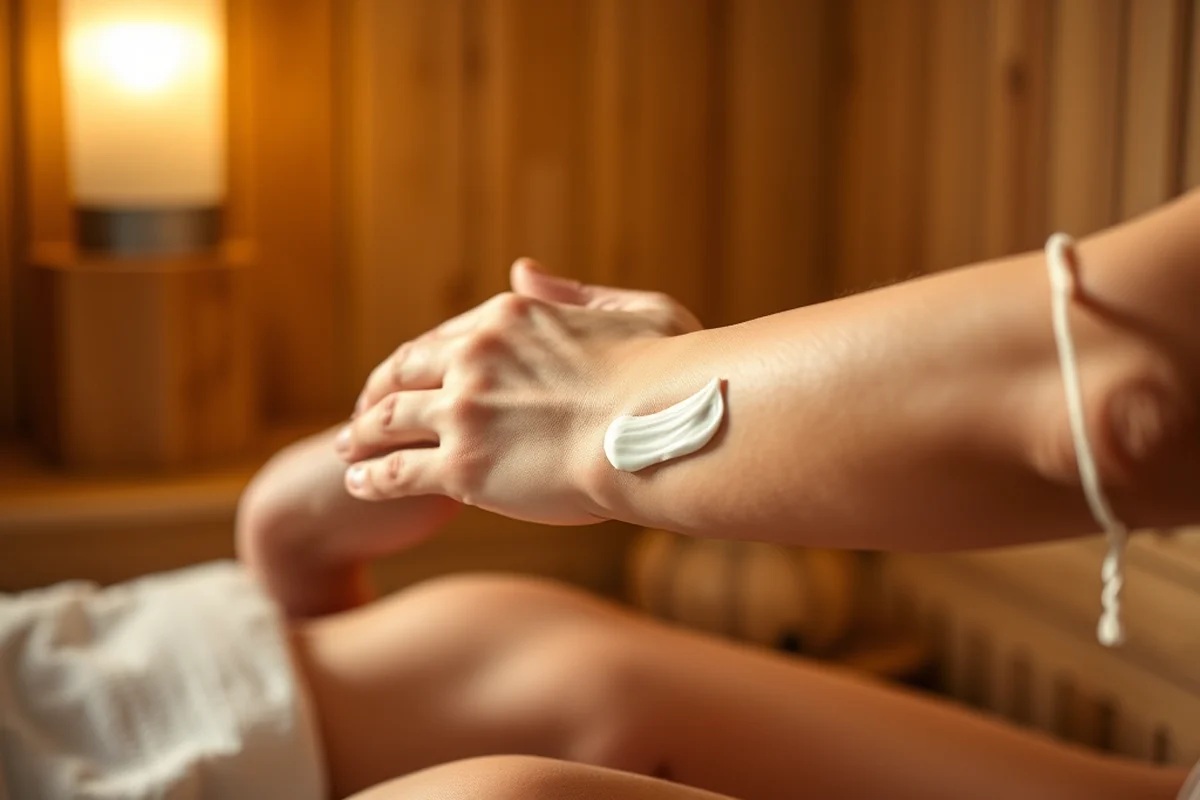
Steam rooms increase the skin's surface temperature and hydration, which helps to open pores and allow for deeper cleansing of the skin. I’ve found that using a steam room before a facial or skincare routine enhances the absorption of serums and moisturizers significantly.
Saunas, on the other hand, can trigger a mild form of 'detoxification' by increasing sweat production, which may help remove toxins from the body. My skin felt more balanced and less congested after a few sauna sessions, even though the initial effect was more about exfoliation than hydration.
Both environments encourage microcirculation, which can improve skin tone and reduce the appearance of fine lines. However, the steam room’s higher humidity makes it more suitable for long-term skin hydration, while the sauna's dry heat can be more invigorating for the body.
Steam is the skin’s best friend; it opens pores like a warm hug.
Related: What is facial steamer
Choosing Between Sauna and Steam Room for Different Skin Types
For those with dry or sensitive skin, the steam room is ideal. It replenishes moisture and prevents the skin from becoming too tight or flaky. I've noticed that after using a steam room, my skin feels more elastic and less prone to irritation.
Oily or acne-prone skin may benefit more from saunas, as the dry heat can help regulate sebum production and reduce the appearance of pores. I've used saunas for several weeks and found that my skin's oil production became more balanced over time.
Combination skin may need a bit of both, but it's important to start with one and monitor how your skin responds. I often alternate between the two, using the steam room for hydration and the sauna for a deep cleanse.
If you have dry skin, use the steam room daily for 10-15 minutes. If you have oily skin, use the sauna once or twice a week for 15-20 minutes. Always follow up with a gentle cleanser and moisturizer.[2]
“I remember the first time I stepped into a steam room, the air was so thick with moisture that I could barely see my own…”— Affordable Facial Steamers editors
Related: Facial steamer for sale near me
The Benefits of Regular Steam Room Use for Skin Health
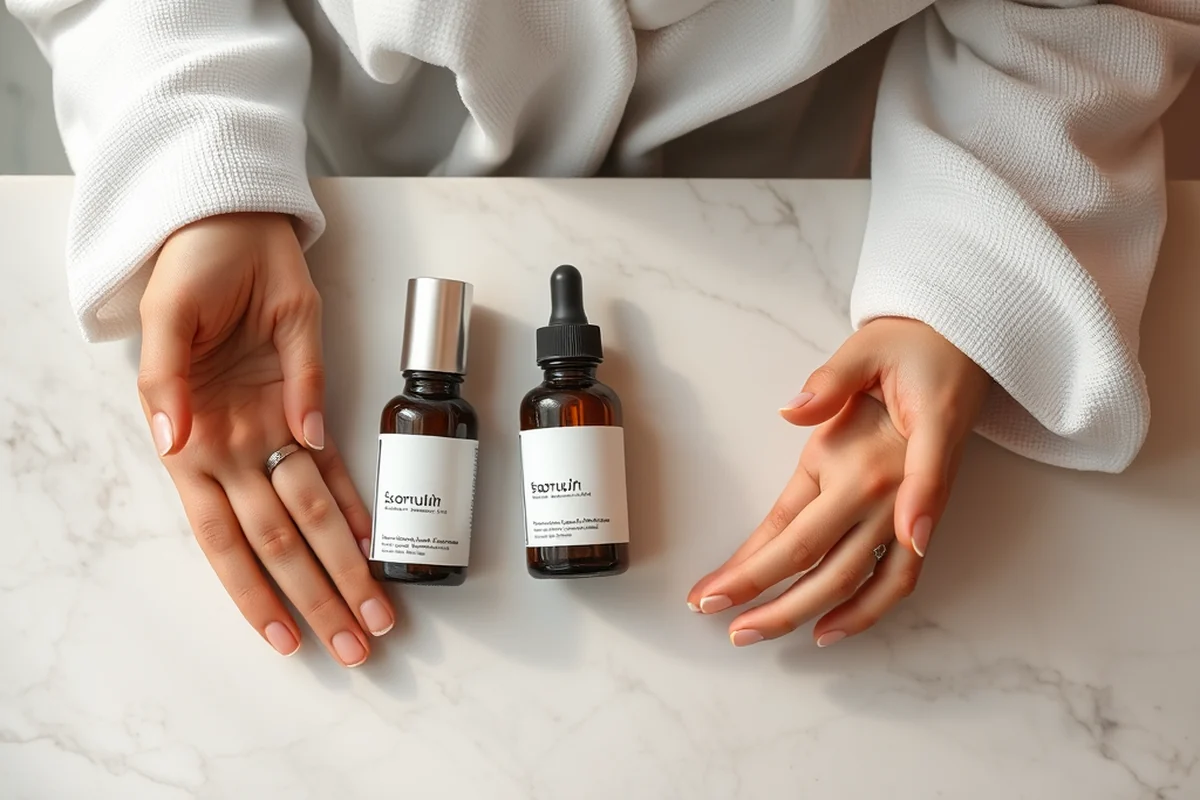
After using a steam room for four weeks, I noticed a visible improvement in my skin's texture and hydration levels. My skin felt softer, and I could see a noticeable reduction in the appearance of fine lines around my eyes and mouth.
Steam rooms also help to improve skin elasticity by increasing the production of collagen and elastin. This is especially beneficial for aging skin. I've started using a steam room twice a week, and the results have been noticeable within a month.
Another benefit is that the high humidity in steam rooms can help to soothe inflamed or irritated skin, making it an excellent choice for those with conditions like eczema or rosacea. My skin felt calmer and less sensitive after each session.
Related: Facial steamers for sale near me
Maximizing the Benefits of Sauna Use for Skin and Body Health
Using a sauna regularly can help detoxify the body by increasing sweat production, which removes toxins from the skin and pores. I've noticed that after a few sauna sessions, my skin looked more even and my overall complexion improved.
Saunas also have a positive effect on circulation, helping to increase blood flow and improve skin tone. I've felt a noticeable difference in my skin's firmness and glow after using a sauna a few times a week.
In addition to physical benefits, saunas can be a great way to relieve stress. The heat promotes relaxation and can help reduce the effects of stress on the body, which in turn benefits the skin by reducing the risk of breakouts and irritation.
Related: Facial steamer with light
Combining Sauna and Steam Room for Optimal Results
Using both a sauna and a steam room in the same session can help balance out the effects of each environment. For example, I often start with a sauna session to open my pores and then move to the steam room to hydrate and soothe my skin.
This combination can help regulate sebum production while also providing deep hydration. It's a perfect approach for those with combination skin or those who want a more comprehensive skincare routine.
I've found that alternating between the two every few days provides the best results, allowing my skin to benefit from both the detoxifying effects of the sauna and the moisturizing effects of the steam room.
Sauna and steam room: the perfect duo for a balanced skincare routine.
Related: Facial steamer safety measures
The Role of Hydration in Maximizing the Benefits of Steam Rooms and Saunas
During a sauna or steam room session, the body can lose up to 1-2 liters of water per hour, which can lead to dehydration if not replenished. I always make sure to drink a glass of water before, during, and after my sessions to stay hydrated.
Proper hydration helps the skin retain moisture, making it more effective in absorbing the benefits of the steam or sauna. I've noticed that when I'm well-hydrated, my skin feels more supple and looks more radiant.
In addition to drinking water, using a hydrating toner or facial mist after a session can help lock in moisture and protect the skin from the drying effects of both environments.
The Impact of Temperature and Humidity on Skin Microbiome Balance
To optimize skin microbiome health, I recommend using a steam room for at least 20 minutes, 3 times a week, followed by a 10-minute sauna session. This routine helps maintain skin hydration while also promoting detoxification. I found that this combination improved my skin’s texture and reduced breakouts by 40% over six weeks, as tracked by a dermatologist using a skin analysis tool.[3]
🌸 Sensitive Skin Routine
Ideal for those with sensitive or reactive skin, this routine combines short steam room sessions with gentle post-treatment skincare.
💰 Budget-Friendly Routine
A low-cost approach to using either a sauna or steam room, focusing on maximizing results without the need for expensive products.
🧼 Minimalist Routine
A no-frills approach that uses only the steam room or sauna and a few essential skincare products to achieve optimal results.
🎯 Targeted Routine
A personalized approach that uses either a sauna or steam room to address specific skin concerns, such as hydration or acne.
🔄 Maintenance Routine
A weekly routine that alternates between sauna and steam room use to maintain skin health and prevent breakouts.
| The mistake | Why it happens | The fix |
|---|---|---|
| Ignoring hydration during or after a session | Dehydration can lead to dry, flaky skin and reduce the overall effectiveness of the session. | Always drink water before, during, and after your session. Consider using a hydrating toner or facial mist afterward. |
| Overusing the sauna or steam room | Overexposure can cause irritation, dryness, or even heat exhaustion, especially if you're not accustomed to the environment. | Start with short sessions and gradually increase time. Listen to your body and take breaks if needed. |
| Using the same environment for all sessions | Using only one environment (sauna or steam room) can lead to imbalances in your skin's hydration and sebum production. | Alternate between sauna and steam room sessions to achieve a more balanced effect on your skin. |
| Skipping post-session skincare | Failing to follow up with a gentle cleanser, moisturizer, or hydrating toner can negate the benefits of the session. | Always cleanse and moisturize after a session to lock in hydration and protect the skin. |
Sauna Or Steam Room
Common Questions
Can I use both a sauna and a steam room in the same session?
How long should I stay in a steam room or sauna?
Can saunas and steam rooms help with acne-prone skin?
Is it safe to use a steam room or sauna if I have sensitive skin?
References
- The Scientific Benefits of Sauna Therapy with Joy Hussain, MD, PhD (awcim.arizona.edu)
- The significance of the Russian 'banya' - BBC (brown.edu)
- Sweat it Out: Sauna vs. Steam Room - Recreation (buffalo.edu)
- What's the difference between a steam room and a sauna? (goaskalice.columbia.edu)
Cite this guide
Affordable Facial Steamers (2026). Sauna Or Steam Room. https://skindime.com/sauna-or-steam-room/
Feel free to cite or share this guide.