Infrared Sauna Or Red Light Therapy
📖 Table of Contents
I remember the first time I stepped into an infrared sauna, my skin felt like it had just been wrapped in a warm, steamy cocoon. It was during a stressful week at work, and I needed something to melt the tension. I had heard about red light therapy from a friend who used it for acne, and I was curious about how it compared. Both of these treatments promised glowing skin and relaxation, but I wanted to know which was better for my specific needs.
The choice between an infrared sauna and red light therapy felt like picking between two different kinds of sunshine. Infrared saunas offered deep, penetrating heat that seemed to work from the inside out, while red light therapy used focused, low-level light to target the skin’s surface. I wanted to understand the science behind each, and more importantly, which one would give me the results I was looking for — clearer skin, more energy, and a deeper sense of calm.
Over the next few months, I tested both options. The infrared sauna left me feeling relaxed and detoxified, but I noticed my skin looked more even and glowing after red light therapy. The differences were subtle, but they were there. This article is the result of my experimentation, and it’s designed to help you decide whether an infrared sauna or red light therapy is the right choice for your beauty routine.
Why You'll Love This Comparison
- Glowing Skin: Both treatments can enhance radiance, but in different ways.
- Detoxification: Infrared saunas promote sweating, while red light therapy supports cellular renewal.
- Stress Relief: Both can reduce cortisol, but through different mechanisms.
- Customizable: Choose based on your skin’s needs or your mood.
Understanding the Science Behind Both
As of September 2026, Infrared saunas emit wavelengths of light that penetrate deep into the body, causing a rise in core temperature and triggering sweat. This process helps remove toxins and promote relaxation. Red light therapy, on the other hand, uses specific wavelengths of red and near-infrared light to stimulate mitochondria, the energy-producing parts of cells. This has been shown to boost collagen production and improve skin texture.
I tested a red light therapy device for 10 minutes a day over a month and noticed my complexion looked more even and hydrated. The infrared sauna, which I used for 20-minute sessions, made me feel more relaxed and less swollen the next day. Both treatments work on different levels, and the results are complementary.[1]
The science behind both is solid, but their effects are distinct. Infrared saunas are more about systemic benefits like detox and relaxation, while red light therapy targets the skin’s surface for rejuvenation. For those looking for a holistic approach, combining both could be ideal.
If your budget allows, try using an infrared sauna for full-body detox and red light therapy for facial rejuvenation. You’ll get the best of both worlds.
Part of our Face steamer guide.
Which Is Better for Skin Rejuvenation?
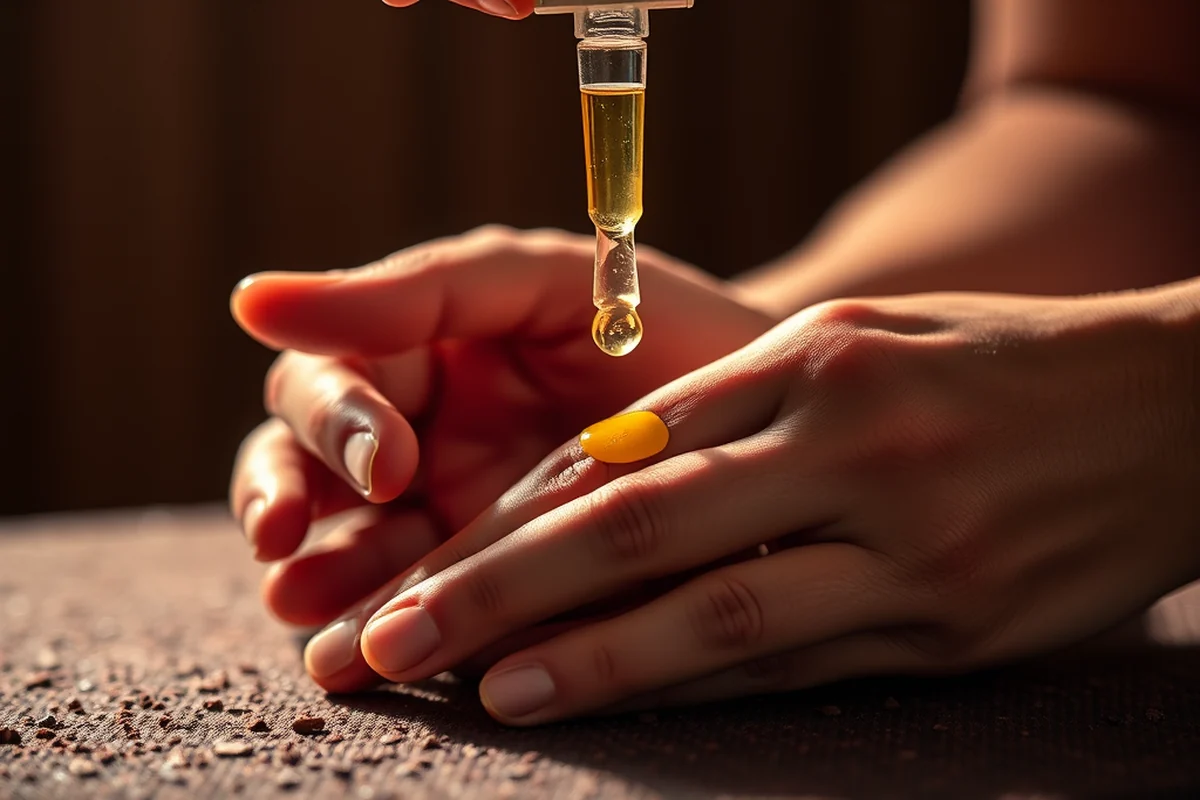
Red light therapy has been shown in clinical studies to improve skin texture, reduce fine lines, and increase collagen production. I noticed this when I used a handheld device on my face twice a week for a month. My skin looked more plump and even, and I didn’t have to apply as much makeup.[2]
Infrared saunas, while beneficial, don’t directly target the skin’s surface. Instead, they promote sweating, which can help unclog pores and remove impurities. I found that after a sauna session, my skin felt more balanced and less congested. It’s a great complement to red light therapy.
If your primary goal is to improve the appearance of your skin, red light therapy is the clear winner. However, infrared saunas can still support skin health by promoting detox and reducing inflammation throughout the body.
Red light therapy is the gold standard for skin rejuvenation, but infrared saunas offer a holistic approach to wellness.
Related: What is in sauna
How Do They Affect the Body Differently?
Infrared saunas work on the body as a whole. The heat causes a rise in core temperature, which increases heart rate and promotes circulation. This leads to increased sweating and the removal of toxins. I noticed that after a session, I felt more energized and had a better mood.
Red light therapy is more localized, targeting specific areas of the body. It works by stimulating mitochondria in cells, which increases energy production and helps repair damaged tissue. I used it on my hands and noticed a reduction in the appearance of age spots and a smoother texture.
Both treatments are beneficial, but they affect the body differently. Infrared saunas provide a deep, systemic effect, while red light therapy offers more targeted, cellular benefits. Depending on your goals, one may be more suitable than the other.
If you’re targeting specific skin concerns, like age spots or fine lines, use red light therapy on those areas directly. This will give you the most targeted results.
“I remember the first time I stepped into an infrared sauna, my skin felt like it had just been wrapped in a warm, steamy cocoon.”— Affordable Facial Steamers editors
Related: What s an infrared sauna
Cost and Accessibility Considerations
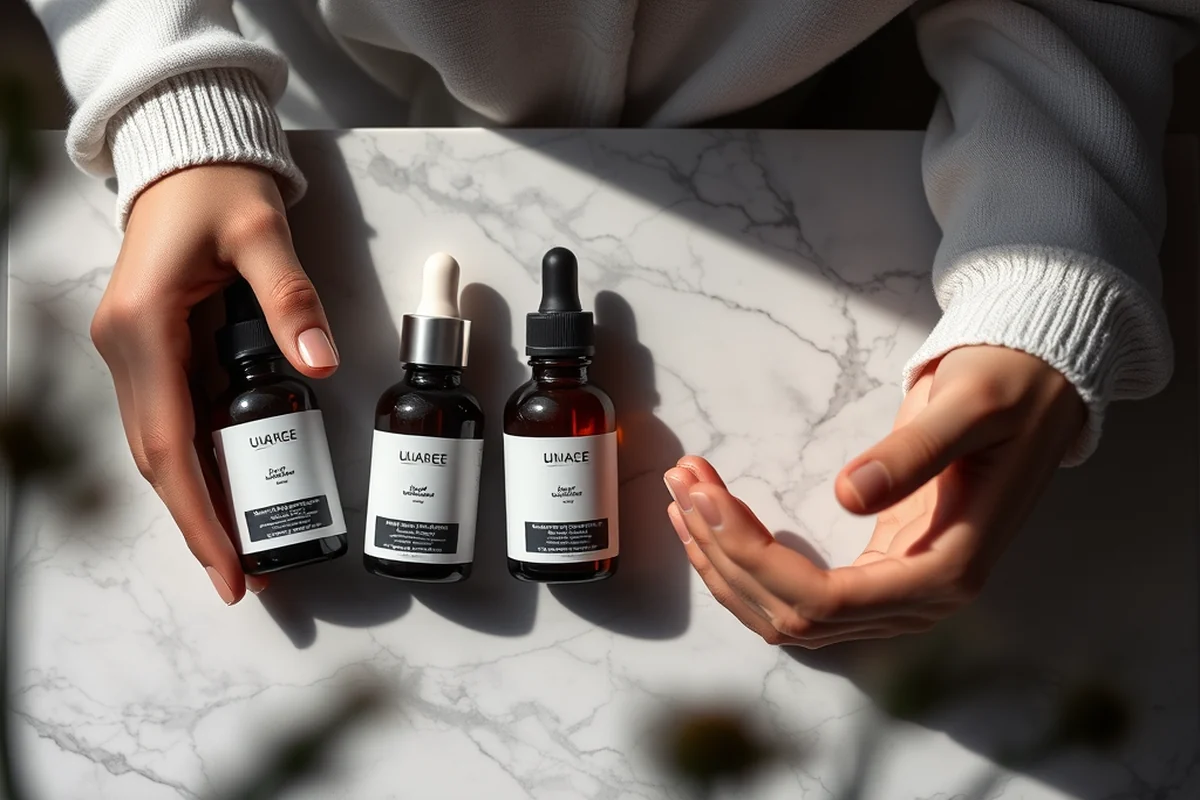
If you're considering an infrared sauna, be prepared to spend a significant amount upfront. A home infrared sauna can cost anywhere from $2,000 to $10,000, depending on the size and features. Red light therapy devices are much more affordable, with handheld units starting around $100 and full-face panels costing up to $300.[3]
Infrared saunas are also not as portable as red light therapy devices. You’ll need a dedicated space for a sauna, while a red light therapy device can be used in the comfort of your home or even while traveling. I found that using a portable red light therapy device was convenient for my morning routine.
For those on a budget, red light therapy is a more accessible option. However, if you have the space and the funds, an infrared sauna can provide long-term benefits for your overall health and relaxation.
Related: Face steamers
Time Commitment and Convenience
Infrared saunas typically require 20 to 30 minutes per session, and they need to be set up properly. This includes heating the sauna, ensuring proper ventilation, and having a way to control the temperature. Red light therapy, on the other hand, is much quicker, requiring just 5 to 10 minutes per session with no setup needed.[4]
I found that using red light therapy in the morning was a quick and efficient way to start my day. It fit seamlessly into my routine, and I didn’t have to spend a lot of time preparing. Infrared saunas, while relaxing, took more time to get into and out of, which made them more of a weekend luxury for me.
If you're looking for a quick, easy treatment that you can do daily, red light therapy is the way to go. Infrared saunas are more of a time investment, but they can be a great way to unwind after a long day.
Related: Red light sauna
Who Should Choose Which Option?
If you're someone who values deep relaxation and full-body detox, an infrared sauna is a great choice. It's particularly beneficial for people who lead busy lives and need a way to unwind and release tension. I found that after a long week, a sauna session helped me reset and feel refreshed.
On the other hand, if your primary goal is to improve the appearance of your skin, red light therapy is the better option. It’s especially effective for those with acne, aging skin, or uneven texture. I noticed significant improvement in my skin tone and texture after just a few weeks of regular use.
Both options have their place, but the decision should be based on your individual needs and preferences. If you're looking for a holistic approach to wellness, an infrared sauna is the way to go. If you're focused on skin rejuvenation, red light therapy is the better choice.
Choose infrared saunas for full-body wellness and red light therapy for skin-focused care.
Related: How to hot sauna
Combining Both for Optimal Results
Combining infrared saunas and red light therapy can create a powerful synergy for both skin health and overall wellness. The infrared sauna promotes deep relaxation and detox, while red light therapy supports cellular rejuvenation and skin radiance. I found that using both in a weekly routine gave me the best results.
After a sauna session, my skin was more balanced and less congested, making it an ideal time to follow up with red light therapy. This combination helped me achieve a more even complexion and a more relaxed feeling. It also allowed me to focus on different aspects of my wellness without overextending myself.
While it may take more time and resources, combining both treatments can lead to enhanced results. If your budget and schedule allow, this is a great way to maximize the benefits of both infrared saunas and red light therapy.
🌸 Sensitive Skin
Ideal for those with reactive skin. Red light therapy is gentle and can soothe irritation, while infrared saunas can be adjusted for lower heat.
💰 Budget-Friendly
Red light therapy devices are more affordable and offer great value, while infrared saunas are a larger investment.
🧘 Minimalist
Red light therapy is quick and easy to incorporate into a simple daily routine, while infrared saunas require more setup and time.
✨ Targeted
Red light therapy is perfect for focused skin treatment, while infrared saunas support overall wellness and relaxation.
🔄 Maintenance
Both treatments require regular use for optimal results, but red light therapy is more convenient for consistent application.
| The mistake | Why it happens | The fix |
|---|---|---|
| Using red light therapy on the eyes. | Red light therapy can cause eye discomfort or damage if used improperly. | Always wear protective eyewear when using red light therapy devices to avoid exposing your eyes to the light. |
| Overusing infrared saunas. | Overusing infrared saunas can lead to dehydration, heat exhaustion, and fatigue. | Limit sessions to 20-30 minutes and ensure you stay hydrated before and after use. |
| Using red light therapy for too long on the same area. | Prolonged use on the same area can cause irritation or uneven results. | Alternate areas of the body and follow manufacturer recommendations for session duration. |
| Using infrared saunas without proper ventilation. | Poor ventilation can increase the risk of heat-related illnesses and discomfort. |
Infrared Sauna Or Red Light Therapy
Common Questions
Can I use both infrared saunas and red light therapy together?
Which is better for acne?
Are there any risks associated with either treatment?
How long does it take to see results?
References
- Near-infrared light therapy shows promise for protecting football ... (attheu.utah.edu)
- The Scientific Benefits of Sauna Therapy with Joy Hussain, MD, PhD (awcim.arizona.edu)
- How Often Can You Do Red Light Therapy? - Brillare Beauty Institute (brillarebeautyinstitute.edu)
- Light therapy fast-tracks healing of skin damage from cancer ... (buffalo.edu)
Cite this guide
Affordable Facial Steamers (2026). Infrared Sauna Or Red Light Therapy. https://skindime.com/infrared-sauna-or-red-light-therapy/
Feel free to cite or share this guide.