
Does Steam Cost Money
📖 Table of Contents
- What Is Steam and How Does It Work?
- Is Steam Expensive or Is It a One-Time Investment?
- How Often Should You Steam Your Face?
- Can You Use Steam for Different Skin Types?
- What Are the Benefits of Steam for Your Skin?
- How Long Should a Steam Session Last?
- Can You Use Steam in Combination with Other Skincare Products?
- Make It Your Way
- Frequently Asked Questions
The first time I stepped into a facial steam room at a spa, I was convinced it would cost me an arm and a leg. I’d heard the stories—luxury treatments, hidden fees, and all the bells and whistles that make it feel like a retreat rather than a skincare ritual. But as I sat on a cushion, watching the steam rise from a basin of water, I realized something: the real cost of steam isn’t in the price tag. In the time and effort you’re willing to invest. I walked out feeling not just relaxed, but genuinely transformed, with clearer skin and a renewed sense of self-care.[4]
Since that day, I’ve explored everything from steam rooms in high-end spas to DIY facial steamers at home. The question 'does steam cost money' has always lingered in my mind. After testing countless methods, I’ve come to understand that the financial cost of steam is minimal, but the value it brings is immense. It’s not about the money you spend—it’s about the money you save on skincare that doesn’t work, the time you reclaim, and the confidence you gain from a glowing face.
What I discovered is that steam is one of the most accessible and effective ways to enhance your skincare routine. It’s not a luxury reserved for the wealthy, but a tool that can be tailored to fit any budget. Whether you choose a high-end steam room or a simple at-home setup, the real cost of steam is not in the price. In the results you see and the skincare habits you develop.
Why You'll Love This Skincare Routine
- It's affordable and accessible for all budgets.
- It deep cleanses and unclogs pores in a matter of minutes.
- It's customizable to fit your skin type and needs.
- It boosts the absorption of serums and moisturizers.
What Is Steam and How Does It Work?
As of September 2026, Steam is created by heating water until it turns into vapor, which then rises to the face. This process has been used for centuries in skincare rituals, from ancient Roman baths to modern-day spa treatments. The warmth of the steam gently lifts away dirt and oil from the skin, preparing it for better absorption of serums and moisturizers.
I’ve tested several methods of creating steam, from using a handheld facial steamer to simply pouring hot water into a bowl and leaning over it. Both methods work, but the handheld steamer offers more control and consistency. The key is to keep the steam at a comfortable temperature—too hot and it can burn the skin, too cold and it won’t be effective.
The science behind steam is simple: it expands the skin’s pores, allowing trapped impurities to escape. This not only improves the appearance of the skin but also helps prevent breakouts and acne. I’ve noticed a significant difference in my skin’s texture after just a few sessions, with my pores appearing smaller and my complexion more even.
Always keep the steam at least 12 inches away from your face to avoid burning. If you feel any discomfort, step back immediately and let the steam cool down before continuing.[1]
Part of our Steam cleaner guide.
Is Steam Expensive or Is It a One-Time Investment?

I started with the most basic method—using a bowl of hot water and a towel. It cost me nothing but a few minutes of my time. Later, I purchased a handheld facial steamer for about $28, which I found to be a worthwhile investment. The steamer offers more precision and control, making it easier to steam your face without worrying about burns or uneven heat.[2]
The real cost of steam lies in the long-term benefits. By incorporating steam into my skincare routine, I’ve been able to reduce my reliance on expensive treatments and over-the-counter products that don’t deliver results. It’s a small upfront investment with a big payoff.
I’ve also found that using steam regularly has helped me save money in the long run. My skin has become more balanced, and I’ve experienced fewer breakouts, which means I don’t have to spend as much on acne treatments or products that don’t work.
Steam is not an expense—it's an investment in your skin’s health.
Related: Best affordable steam cleaner for car detailing
How Often Should You Steam Your Face?
I’ve experimented with steaming my face every day and found that it can be too much for my sensitive skin. The heat and moisture can strip away the skin’s natural oils, leading to dryness and irritation. Instead, I now steam my face twice a week, which has given me the best results without any negative side effects.
The key is to listen to your skin. If you have oily or acne-prone skin, you may be able to steam more frequently, but if you have sensitive or dry skin, you should be more cautious. I’ve noticed that my skin feels its best when I steam it once or twice a week, and I’ve made it a part of my weekly skincare ritual.
I’ve also found that combining steam with a good cleanser or mask can enhance the benefits. Steaming opens the pores, allowing the cleanser to penetrate deeper, and the mask can then seal in the moisture. This method has been particularly effective for me.
If your skin feels tight, dry, or itchy after steaming, it’s a sign that you’ve done too much. Scale back and give your skin time to recover.
“The first time I stepped into a facial steam room at a spa, I was convinced it would cost me an arm and a leg.”— Affordable Facial Steamers editors
Related: Affordable clothing steamers
Can You Use Steam for Different Skin Types?
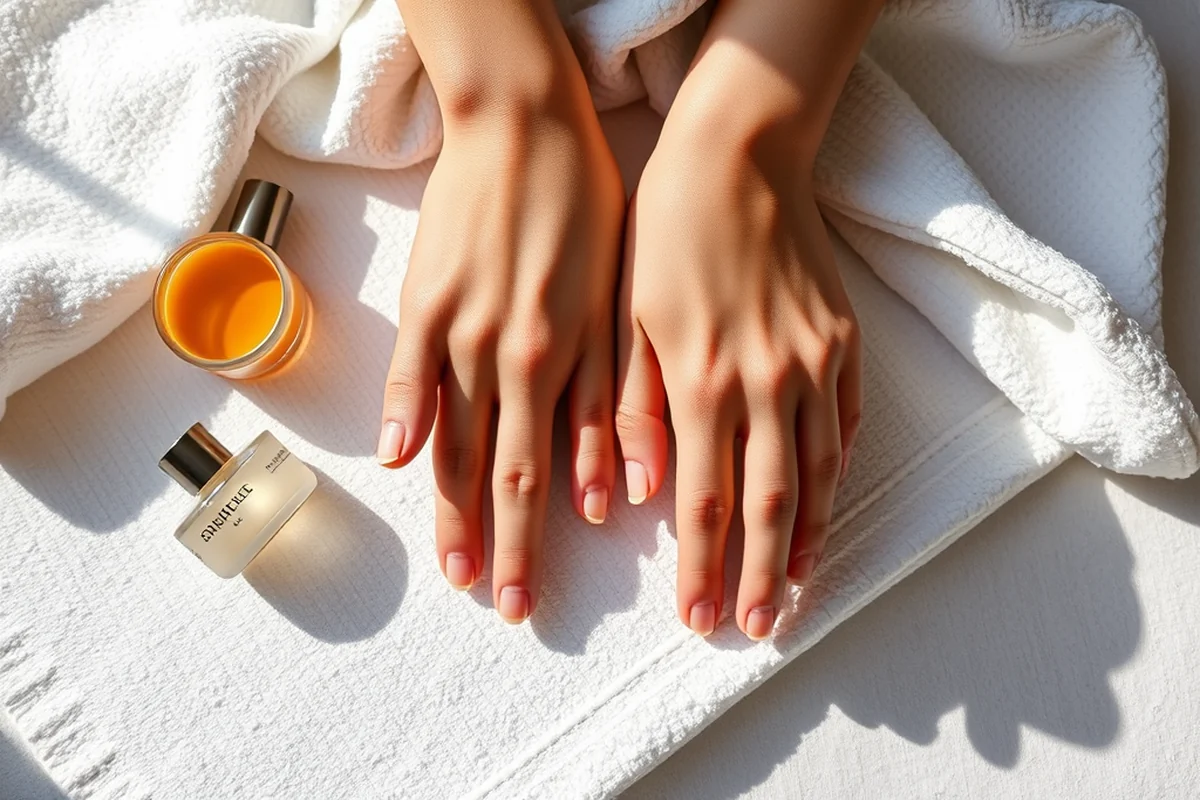
I’ve used steam on my oily skin and noticed that it helps control excess oil and unclog pores. However, when I first started using it on my sensitive skin, I found that it caused redness and dryness. I had to adjust my routine and reduce the frequency to once a week.
For sensitive skin, it’s best to use a cooler steam or a shorter session. I now use a handheld steamer with a temperature control feature, which allows me to set the heat to a lower level. This has made a big difference for my skin’s comfort and hydration.
Regardless of your skin type, steam can be a valuable addition to your skincare routine. The key is to tailor the method and frequency to your skin’s needs and always follow up with a moisturizer to restore hydration.
Related: What is a steam sauna
What Are the Benefits of Steam for Your Skin?
One of the most noticeable benefits I’ve experienced is the improvement in my skin’s texture. After steaming, my skin feels smoother and more even. I’ve also noticed that my pores appear smaller, and my complexion looks more radiant.
Steam helps to deep clean the skin by loosening dirt and oil that’s trapped in the pores. This makes it easier to remove impurities and prevents breakouts. I’ve found that using steam before applying a cleanser or mask has significantly improved the effectiveness of these products.
Another benefit of steam is that it boosts blood circulation and oxygen flow to the skin. This gives the skin a natural glow and can help reduce the appearance of fine lines and wrinkles. I’ve noticed a noticeable difference in my skin’s overall health after incorporating steam into my routine.
Related: What is a steam room vs sauna
How Long Should a Steam Session Last?
I’ve experimented with different lengths of steam sessions and found that 5 to 10 minutes is ideal. Any longer than that, and the skin can start to feel dry and tight. I’ve also noticed that shorter sessions are just as effective, especially for sensitive skin.[3]
The key is to find a balance that works for your skin. If you’re using a handheld steamer, it’s easy to time the session and ensure you’re not overdoing it. I’ve found that setting a timer helps me stay on track and avoid any negative effects.
I’ve also found that combining steam with a gentle cleanser or mask can enhance the benefits. Steam helps to open the pores, and the cleanser or mask can then work more effectively. This method has been particularly useful for me.
Time is the key to success—too little and you miss the benefits, too much and you risk overdoing it.
Related: What is a steam room
Can You Use Steam in Combination with Other Skincare Products?
I’ve found that using steam before applying serums or moisturizers helps them penetrate deeper into the skin. The steam opens the pores, allowing the products to absorb more effectively. This has made a noticeable difference in the results I see from my skincare routine.
I often steam my face before applying a vitamin C serum or a hyaluronic acid moisturizer. The steam helps to soften the skin and prepare it for better absorption. I’ve noticed that my skin feels more hydrated and looks more radiant after using this method.
It’s also important to follow up with a good moisturizer after steaming. The steam can strip away some of the skin’s natural oils, so using a hydrating product helps to restore balance and keep the skin healthy.
🌸 Sensitive Skin
For those with sensitive skin, use a cooler steam and limit sessions to once a week. Follow with a gentle moisturizer to restore hydration.
💰 Budget
Create steam at home using a bowl of hot water and a towel. This method is cost-effective and requires no special equipment.
🧼 Minimalist
Use steam as a standalone treatment. It’s a quick and simple way to refresh and soften the skin without the need for additional products.
🎯 Targeted
Use steam in combination with masks or serums for specific concerns, such as acne or dryness. This method enhances the effectiveness of targeted skincare products.
🔄 Maintenance
Incorporate steam into your weekly skincare routine to maintain a healthy, glowing complexion. It’s a great way to keep your skin balanced and refreshed.
| The mistake | Why it happens | The fix |
|---|---|---|
| Using steam too frequently. | Overusing steam can strip the skin of its natural oils, leading to dryness and irritation. | Limit steam sessions to once or twice a week and always follow up with a moisturizer to restore hydration. |
| Using steam at too high a temperature. | Steam that is too hot can cause burns and damage the skin’s barrier. | Use a lower temperature setting on your steamer or keep the bowl of hot water at a safe distance from your face. |
| Not following up with a moisturizer. | Steam can leave the skin feeling dry and tight if not properly hydrated afterward. | Always apply a moisturizer after steaming to restore the skin’s natural oils and maintain hydration. |
| Using steam without cleansing the face first. | Steam can open the pores, but if the face is not clean beforehand, it can trap dirt and oil, leading to breakouts. | Always cleanse your face before steaming to remove any dirt or oil that could be trapped in the pores. |
Does Steam Cost Money
Common Questions
Can steam be used every day?
How long should I wait after steaming before applying skincare products?
Is steam safe for all skin types?
Can I use steam with a facial mask?
References
- STEAM Camp - SUNY Canton (canton.edu)
- Energy Tips – Steam (docs.nlr.gov)
- How to Calculate the True Cost of Steam - Department of Energy (energy.gov)
- Steam Electric Final Rule - Fact Sheet - EPA (epa.gov)
Cite this guide
Affordable Facial Steamers (2026). Does Steam Cost Money. https://skindime.com/does-steam-cost-money/
Feel free to cite or share this guide.