
What Is A Steam Room Vs Sauna
📖 Table of Contents
I still remember the first time I stepped into a steam room at a luxury spa in Bali. The air was so thick with moisture that it felt like breathing in a cloud. It was a different experience altogether from the dry, hot air of the sauna I’d used the day before. That moment made me realize that while both steam rooms and saunas are used for relaxation and wellness, they have very different properties and benefits. This article is my attempt to break down what exactly sets them apart — and why one might be better for your skin than the other.[1]
As someone who spends a lot of time focusing on skincare routines and the health of my skin, I've found that the distinction between a steam room and a sauna is more than just a matter of temperature. Each environment affects the skin differently, and understanding that has helped me tailor my self-care to maximize results. I've used both in my own practice and have noticed that steam rooms are often more effective for opening up pores before a facial, while saunas offer a different kind of detoxifying experience.
If you're like me — someone who is always on the lookout for the best ways to nourish your skin and body — then this article is for you. We’ll explore the science, the sensory differences, and how each environment can be harnessed for beauty and wellness. By the end, you’ll not only know the difference between a steam room and a sauna, but you’ll also understand how to use each one for maximum benefit.
Why You'll Love This Guide to Steam Rooms and Saunas
- Discover how each environment uniquely benefits your skin and wellness
- Get practical tips on using steam rooms and saunas effectively
- Understand the science behind the differences in temperature and humidity
- Learn how to choose the right option for your skin type and health goals
What Exactly Is a Steam Room?
As of September 2026, the steam in a steam room is typically generated by a boiler or electric heater that releases water vapor into the room. The temperature is usually lower than in a sauna, but the humidity is much higher. This combination helps to relax the body, ease muscle tension, and promote sweating in a more gentle way. I find that after a steam session, my face feels incredibly smooth and my skin looks more radiant.
One of the most noticeable benefits I’ve experienced from using a steam room is the improvement in skin texture. My dermatologist once told me that regular steam sessions can help reduce the appearance of fine lines and increase hydration levels in the skin. This makes them a great addition to any skincare routine.
If you're new to steam rooms, wrap a towel around your face to avoid overexposure to the intense moisture. This helps you adjust to the environment without causing irritation.
Part of our Steam cleaner guide.
What Exactly Is a Sauna?
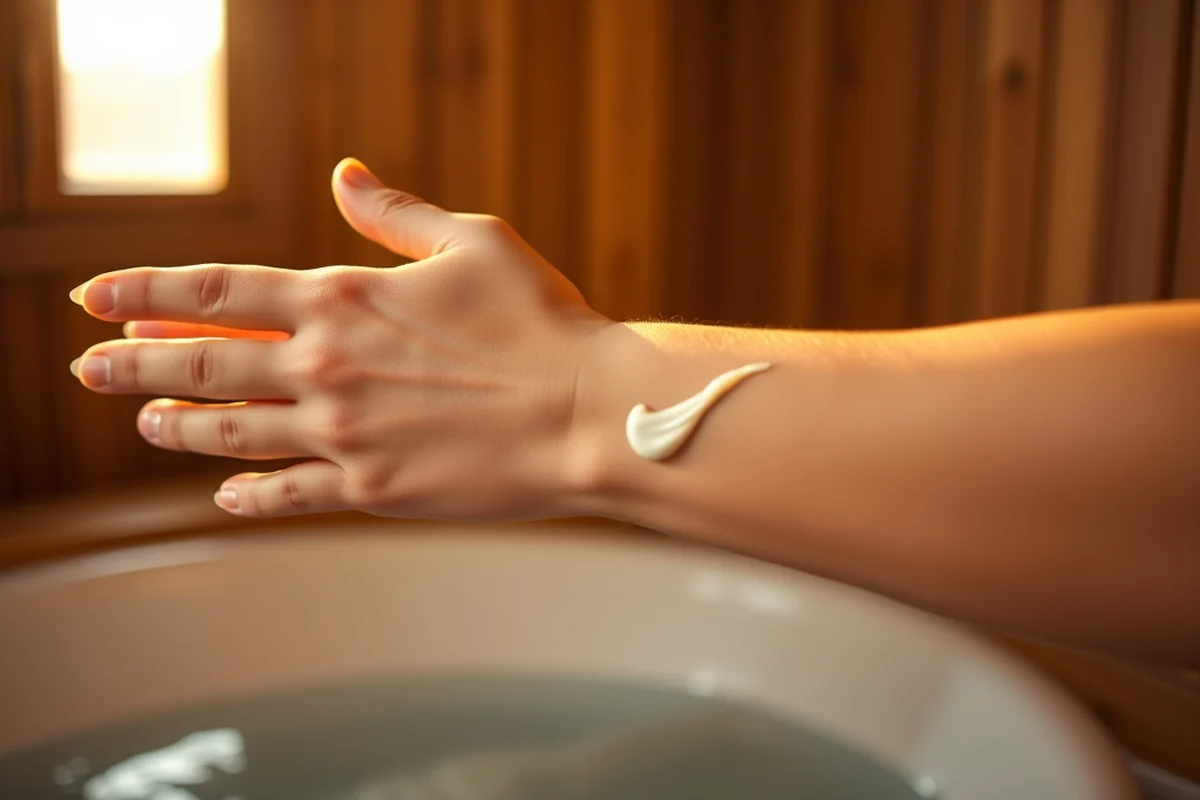
Saunas are often used for detoxification and muscle relaxation. The high temperatures cause blood vessels to dilate, which can help improve circulation and reduce stress. I’ve noticed that after a sauna session, my skin feels tighter and more refreshed, even though the heat is more intense. The lack of moisture in the air means that the skin is not as pliable as it is in a steam room.
There are two main types of saunas: traditional Finnish saunas and infrared saunas. The traditional ones use heated stones to produce dry heat, while infrared saunas use light waves to penetrate the skin more deeply. Both have their own unique benefits, but the core idea remains the same: using high heat to promote wellness.
Saunas are the ultimate test of heat endurance — and the reward is a deeply relaxed body and mind.
Related: Is crimson desert on steam
The Science Behind Steam Rooms and Saunas
From a scientific standpoint, steam rooms and saunas have different effects on the body. Steam rooms are known for their high humidity, which helps open up pores and increase skin hydration. I’ve used steam rooms before facials, and the results are always better — the skin is more receptive to treatments, and the product absorption is more effective.
Saunas, on the other hand, are all about dry heat. The low humidity causes the body to sweat more, which is great for detoxification. I’ve noticed that after a sauna session, my body feels lighter and my skin looks more toned. This is because the heat helps to increase blood flow and promote the removal of toxins from the body.
Both environments have their own benefits, and the choice between them depends on your personal preferences and goals. If you're looking for a more gentle and hydrating experience, a steam room might be the way to go. But if you're after a deeper sweat and a more intense detox, then a sauna could be the better option.
Both steam rooms and saunas cause the body to lose a lot of fluids, so it's important to drink plenty of water before and after your session. This helps prevent dehydration and keeps your skin looking healthy.
“I still remember the first time I stepped into a steam room at a luxury spa in Bali.”— Affordable Facial Steamers editors
Related: Best affordable steam cleaner for car
How Each Affects the Skin

Steam rooms are excellent for improving skin hydration and opening up pores. I’ve used steam sessions before using a facial mask, and the results are always better. The high humidity helps to soften the skin, making it more receptive to treatments. This is especially useful for people with dry or sensitive skin, as the moisture helps to nourish and protect the skin barrier.
Saunas, in contrast, are more about tightening the skin and promoting a healthy glow. The dry heat causes the skin to sweat, which can help to remove impurities and reduce the appearance of pores. I’ve noticed that after a sauna session, my skin feels more firm and my complexion looks more even. This is because the heat helps to increase blood flow and stimulate the production of collagen.
Both environments can be beneficial for the skin, but the choice depends on your skin type and goals. If you have dry or sensitive skin, a steam room might be the better option. If you’re looking for a more intense detox and a tighter, more radiant complexion, then a sauna could be the way to go.
Related: Best affordable steam cleaner for car detailing
Which Is Better for Your Skin Type?
If you have dry skin, a steam room is probably the better choice. The high humidity helps to hydrate the skin and prevent it from feeling tight or flaky. I’ve used steam rooms to treat my dry patches, and the results are always better — the skin feels softer and more supple after the session.
For oily skin, a sauna might be more effective. The dry heat helps to tighten the pores and reduce excess oil production. I’ve noticed that after a sauna session, my skin feels less oily and more balanced. This is because the heat helps to regulate the skin’s natural oil production.
If you have sensitive skin, it's important to be cautious with both environments. Steam rooms can be too intense for some people, causing irritation or redness. Saunas, on the other hand, can be too dry for sensitive skin, leading to dryness and flakiness. It's best to start with short sessions and monitor how your skin reacts.
Related: Affordable clothing steamers
The Benefits of Regular Use
Regular use of steam rooms and saunas can help improve the skin’s texture, hydration levels, and overall health. I’ve noticed that after a few weeks of using a steam room regularly, my skin looks more radiant and feels softer. This is because the moisture helps to nourish the skin and keep it hydrated.
Saunas, on the other hand, are great for detoxification and improving circulation. I’ve noticed that after a few weeks of regular sauna sessions, my body feels lighter and my skin looks more toned. This is because the heat helps to increase blood flow and remove toxins from the body.
Both environments can be beneficial for the skin and body, but the choice depends on your personal preferences and goals. If you're looking for a more gentle and hydrating experience, a steam room might be the way to go. If you're after a deeper detox and a more intense workout for the body, then a sauna could be the better option.
Consistency is key — the benefits of steam rooms and saunas are most noticeable after regular use.
Related: What is steam machine price
How to Choose the Right Option for You
If you're looking for a more gentle and hydrating experience, a steam room might be the best option. The high humidity helps to soften the skin and improve hydration levels, making it ideal for people with dry or sensitive skin. I’ve found that using a steam room before a facial is a great way to prepare the skin for treatment.
On the other hand, if you're after a more intense detox and a tighter, more radiant complexion, then a sauna could be the better choice. The dry heat helps to remove impurities and improve circulation, making it ideal for people with oily or acne-prone skin. I’ve noticed that after a few weeks of regular sauna use, my skin looks more even and my complexion is more vibrant.
The choice between a steam room and a sauna depends on your personal preferences and goals. If you're unsure which one is right for you, it might be a good idea to try both and see which one you prefer. Both environments can be beneficial for the skin and body, but the experience is different for everyone.
🌸 Sensitive Skin Routine
A gentle, hydrating approach using steam rooms to soothe and nourish the skin without irritation.
💰 Budget-Friendly Routine
An affordable way to enjoy the benefits of both steam rooms and saunas without breaking the bank.
🧘 Minimalist Routine
A simple, mindful approach to self-care with minimal products and maximum relaxation.
🎯 Targeted Routine
A focused approach to using steam rooms and saunas for specific skin concerns like hydration or detoxification.
🧼 Maintenance Routine
A regular, structured approach to using steam rooms and saunas for long-term skin and wellness benefits.
| The mistake | Why it happens | The fix |
|---|---|---|
| Overusing the steam room or sauna without taking breaks. | Overexposure can lead to dehydration, skin irritation, and fatigue. It's important to give your body time to recover between sessions. | Limit your use to a few times a week and listen to your body's signals for when it's time to rest. |
| Neglecting to stay hydrated before and after a session. | Both environments cause the body to lose a lot of water through sweat, so it's important to drink enough to stay hydrated. | Drink plenty of water before and after your session to prevent dehydration and keep your skin healthy. |
| Not cooling down properly after a session. | Sudden exposure to cold air after a hot session can shock the body and cause dizziness or discomfort. | Take a cool shower or sit in a cooler area for a few minutes before leaving the facility to help your body adjust. |
What Is A Steam Room Vs Sauna
Common Questions
Can I use both a steam room and a sauna in the same session?
How long should I stay in a steam room or sauna?
Is it safe to use a steam room or sauna every day?
Can steam rooms or saunas help with acne?
References
- August 1983 - NSLA (epubs.nsla.nv.gov)
- Notice of proposed rulemaking. - ADA.gov (archive.ada.gov)
- CHAPTER 838 Swimming Pool and Water Recreation Facilities (loudoun.gov)
Cite this guide
Affordable Facial Steamers (2026). What Is A Steam Room Vs Sauna. https://skindime.com/what-is-a-steam-room-vs-sauna/
Feel free to cite or share this guide.