
What Is A Sauna Temperature
📖 Table of Contents
- Understanding Sauna Temperatures: A Beauty Perspective
- The Science Behind Sauna Temperatures and Skin
- How Often Should You Use a Sauna for Optimal Results?
- Sauna Temperatures and Their Impact on Skin Health
- Sauna Temperatures and the Benefits of Regular Use
- The Best Sauna Temperatures for Different Skin Types
- Sauna Temperatures and Their Role in Detoxification
- Make It Your Way
- Frequently Asked Questions
The first time I stepped into a sauna, I was immediately struck by the heat — not just the temperature. The way it wrapped around my body, seeping into my skin like a slow, deliberate massage. I had read about saunas for years, but nothing prepared me for the experience of being enveloped in a room where the temperature is so high it feels like your skin is on fire. That moment, though uncomfortable at first, became a turning point in my journey toward better skin and overall wellness. Today, I can say with certainty that knowing the sauna temperature is the first step toward reaping the full benefits of this ancient practice.[2]
Why You'll Love This Sauna Experience
- Deep detoxification for clearer skin
- Enhanced circulation that boosts radiance
- Stress relief that improves overall well-being
- Improved muscle relaxation and joint mobility
Understanding Sauna Temperatures: A Beauty Perspective
As of September 2026, if you're dealing with sensitive or dry skin, try a wet sauna. The high humidity helps to hydrate and soothe the skin, making it a great complement to your skincare routine.[3]
The Science Behind Sauna Temperatures and Skin
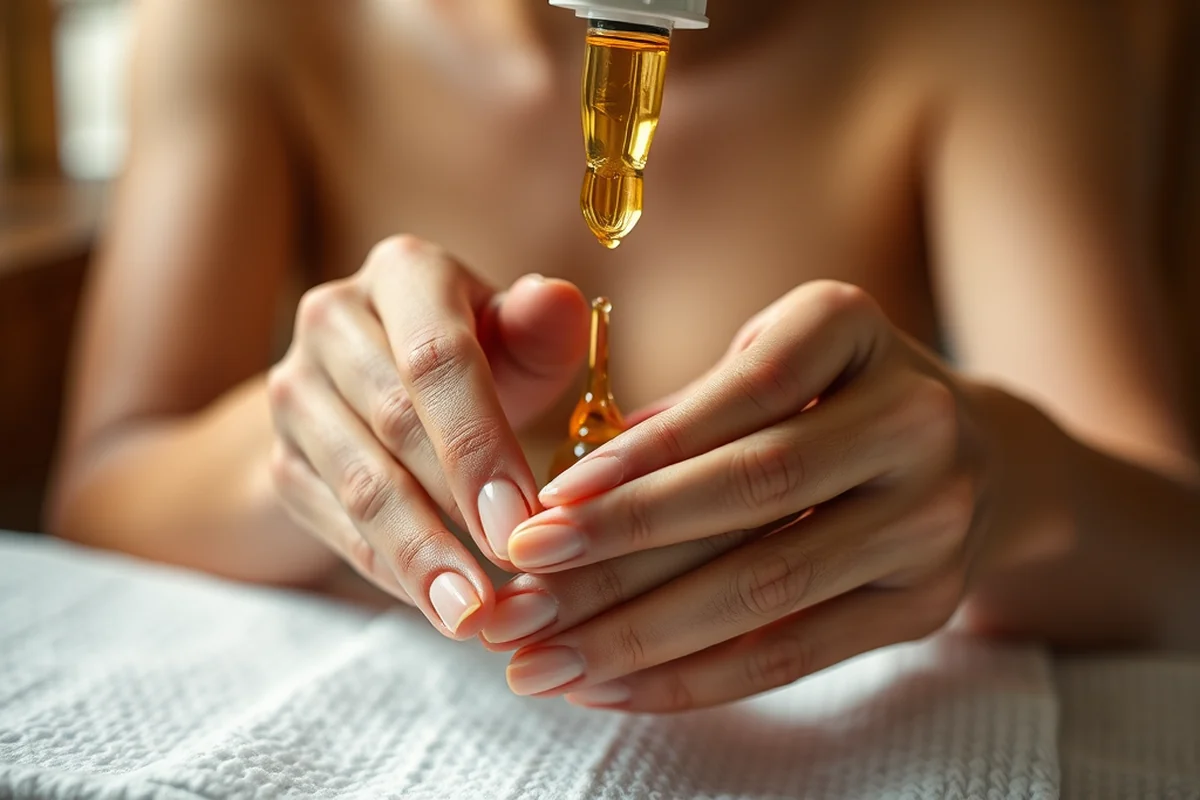
Lower temperature saunas, like the infrared variety, work differently. Instead of relying on extreme heat, they use deep-penetrating infrared radiation to warm the body from the inside out. This type of heat is gentler on the skin and can help improve skin texture and reduce the appearance of fine lines. I’ve noticed that after an infrared sauna session, my skin feels firmer and more elastic.[4]
The humidity level in the sauna also affects the skin. In wet saunas, the high humidity helps to prevent the skin from drying out, which is especially beneficial for those with naturally dry or sensitive skin. This type of sauna also helps to promote relaxation, making it a great addition to a beauty routine focused on wellness.
Sauna temperatures are a science — and your skin is the first to feel the effects.
Related: Cheap steamers for clothes 2
How Often Should You Use a Sauna for Optimal Results?
I’ve found that using a sauna 2 to 3 times a week is enough to notice real changes in my skin and overall well-being. However, if you're new to saunas, it's best to start with once a week and gradually increase the frequency. This allows your body to adjust to the heat and prevents overexposure, which can lead to dehydration or skin irritation.
For those who are more health-conscious and want to maximize the benefits of sauna use, I recommend combining sauna sessions with other wellness practices like hydration, sleep, and proper skincare. This helps the body recover between sessions and ensures that the benefits of sauna use are fully realized.[1]
It's also important to listen to your body. If you feel lightheaded or uncomfortable during a session, it's a sign that you may need to reduce the frequency or adjust the temperature. Saunas are a powerful tool, but they should be used in a way that supports your overall health and skin goals.
If you're new to saunas, start with once a week and build up to 2–3 times a week. This helps your body adjust and prevents overexposure.
“The first time I stepped into a sauna, I was immediately struck by the heat — not just the temperature, but the way it wrapped…”— Affordable Facial Steamers editors
Related: Cheap steamers for clothes
Sauna Temperatures and Their Impact on Skin Health

Sauna temperatures directly influence how the skin reacts and how it heals. In dry saunas, the intense heat causes the skin to sweat more, which helps to remove dead skin cells and open up pores. This can lead to a smoother, more even skin tone. However, the high temperatures can also be drying for the skin, so it's important to follow up with a moisturizer after the session.
Infrared saunas, on the other hand, use gentle heat that doesn't strip the skin of its natural oils. This makes them a great option for those with dry or sensitive skin. I've noticed that after using an infrared sauna, my skin feels more supple and less tight, which is a significant difference from the dry sauna experience.
Wet saunas provide a more hydrating experience, thanks to the high humidity levels. The steam helps to soothe the skin and can reduce inflammation, making it an ideal choice for those with acne-prone or sensitive skin. The combination of heat and steam also helps to unclog pores and promote a more even complexion.
Related: Sauna kits outdoor
Sauna Temperatures and the Benefits of Regular Use
Over time, I've noticed that using a sauna regularly has had a profound effect on my skin. It's not just about the immediate effects — like sweating and detoxifying — but also the long-term benefits that come with regular use. My skin has become more even in tone and more resilient, with fewer breakouts and a more natural glow.
One of the most surprising benefits I've noticed is the improvement in my overall skin texture. The heat from the sauna helps to stimulate collagen production, which gives the skin a more youthful and firm appearance. This is especially noticeable in areas like the face and hands, where the skin can become more supple and less wrinkled.
Beyond the skin, regular sauna use has also improved my overall well-being. I've noticed a reduction in stress and an increase in energy levels, which has made it easier to maintain a consistent skincare and wellness routine. It's a holistic benefit that supports both the body and the skin.
Related: How to sauna and steam room
The Best Sauna Temperatures for Different Skin Types
If you have oily or acne-prone skin, dry saunas at higher temperatures may be beneficial. The heat can help to open up pores and promote a deep sweat that removes excess oil and dirt from the skin. However, it's important to follow up with a good skincare routine to prevent over-drying.
For those with dry or sensitive skin, infrared or wet saunas are a better option. These types of saunas use gentler heat that doesn't strip the skin of its natural oils. I've found that using an infrared sauna has helped to keep my skin hydrated and supple, even during the colder months.
Regardless of your skin type, it's important to choose a sauna temperature that feels comfortable for you. Experimenting with different temperatures can help you find the one that gives you the best results without causing discomfort or irritation.
Your skin type dictates the perfect sauna temperature — find yours and reap the rewards.
Related: The best infrared sauna
Sauna Temperatures and Their Role in Detoxification
Saunas are one of the best ways to support the body's natural detoxification process, and the temperature plays a crucial role in how effective this is. At higher temperatures, like those found in dry saunas, the body produces a more intense sweat that helps to eliminate toxins through the skin. This process not only detoxifies the body but also leaves the skin feeling refreshed and more vibrant.
Infrared saunas use lower temperatures but still support detoxification by warming the body from the inside out. This type of heat is more gentle on the body and can be particularly beneficial for those who are more sensitive to extreme temperatures. I've noticed that after using an infrared sauna, my skin feels less congested and more balanced.
Wet saunas, with their high humidity, also support detoxification by helping the body to sweat more efficiently. The steam helps to loosen up the pores, making it easier for the body to release toxins. I've found that using a wet sauna has been particularly effective in improving my skin's texture and reducing the appearance of breakouts.
🌸 Sensitive Skin Routine
A gentle approach using wet saunas and lower temperatures to support hydration and soothe the skin.
💰 Budget-Friendly Routine
Maximize the benefits of a sauna with a low-cost infrared model and a simple at-home routine.
🧘 Minimalist Routine
A streamlined approach focusing on one type of sauna and a few key skincare steps to simplify your routine.
🎯 Targeted Routine
Tailor your sauna sessions to specific skin concerns like hydration, detox, or relaxation with the right temperature and humidity settings.
🔄 Maintenance Routine
A regular, low-impact sauna schedule that supports long-term skin health and wellness without overwhelming your routine.
| The mistake | Why it happens | The fix |
|---|---|---|
| Using a sauna at too high a temperature without proper hydration. | High temperatures can lead to dehydration, which can cause the skin to become dry and irritated. | Stay well-hydrated before and after a sauna session. Drink water or use a hydrating mist to keep the skin nourished. |
| Using a sauna for too long without taking breaks. | Prolonged exposure to high temperatures can cause overheating and may lead to dizziness or fatigue. | Limit sauna sessions to 15 to 30 minutes and take breaks if needed to avoid overexposure. |
| Failing to cool down properly after a sauna session. | Rapid cooling can cause a shock to the body and may lead to skin irritation or a drop in body temperature. | Cool down gradually after a sauna session by sitting in a chair or taking a lukewarm shower. |
| Using a sauna without proper skincare follow-up. | The heat from the sauna can cause the skin to become more sensitive, and without proper skincare, this can lead to dryness or breakouts. | Apply a moisturizer or hydrating serum after a sauna session to restore the skin's natural moisture barrier. |
What Is A Sauna Temperature
Common Questions
What is the ideal sauna temperature for beginners?
Can sauna temperatures damage the skin?
How long should a sauna session last for the best results?
What is the difference between wet and dry saunas?
References
- Evaluation of Post-Exposure Sauna Treatment of Firefighters (cdn.clinicaltrials.gov)
- A protocol to investigate the acute effects of contrast therapy vs. heat ... (commons.stmarytx.edu)
- Expectations and Etiquette | Campus Recreation | Nebraska (crec.unl.edu)
- The Impact of Acute Sauna on Young and Middle-Aged Populations (digitalcommons.wku.edu)
Cite this guide
Affordable Facial Steamers (2026). What Is A Sauna Temperature. https://skindime.com/what-is-a-sauna-temperature/
Feel free to cite or share this guide.