
What Is A Traditional Finnish Sauna
📖 Table of Contents
- The Origins of the Finnish Sauna
- The Experience: Heat, Water, and Silence
- The Role of Water in the Sauna Experience
- The Benefits for the Skin and Body
- The Social Aspect of the Sauna
- The Mind-Body Connection
- How to Prepare for a Sauna Session
- The Art of Sauna Etiquette and Personal Hygiene
- The Therapeutic Use of Contrast Baths and Cold Plunges
- Make It Your Way
- Frequently Asked Questions
The first time I stepped into a traditional Finnish sauna, I was struck by the intensity of the heat and the quiet reverence of the space. It wasn't just about sweating—it was about cleansing, both physically and mentally. I'd read about saunas before. Nothing prepared me for the raw, elemental experience of sitting in a small, wooden room, surrounded by the scent of heated pine and the rhythmic sound of water being poured over stones.
I remember the feeling of my skin tightening as the humidity hit me, and the way my breath turned visible in the air. It was a moment of stillness, of being stripped down to the essentials. That first session was uncomfortable, but it also left me with a deep sense of clarity. It was here that I began to understand why Finns have relied on saunas for centuries—not just for beauty, but for well-being.
What is a traditional Finnish sauna? More than a room with a heater, it's a ritual, a cultural cornerstone, and a deeply personal experience. I've spent weeks researching and even visited a few saunas in Finland, and what I've learned is that this practice is more than just a luxury—it's a way of life. It's about heat, water, and silence, and it's something that can transform your skin and your spirit.
Why You'll Love This Ancient Ritual
- It deeply cleanses the skin, promoting a radiant, healthy glow.
- It supports mental clarity and emotional balance through heat and stillness.
- It's a low-cost, high-impact way to enhance your beauty routine.
- It's an immersive experience that connects you with centuries of tradition.
The Origins of the Finnish Sauna
As of September 2026, Dating back to the 15th century, the Finnish sauna was originally used for both physical and spiritual cleansing. It was a space for the community to gather, sweat, and reflect. The Finns believe that the sauna is a sacred place that connects the body and soul.
I visited a small village in Finland and saw saunas built into homes, with their own dedicated rooms. Some were even heated by fire pits, with smoke rising through the ceiling. Others used modern electric heaters, but the essence remained the same: heat, water, and silence.
Today, the traditional Finnish sauna remains unchanged in its core principles. It’s a ritual that has survived the test of time, and it continues to be a vital part of Finnish culture and identity.
Always have a clean, thick towel with you to sit on. The heat can be intense, and the wooden benches are often uncomfortable on bare skin.
The Experience: Heat, Water, and Silence
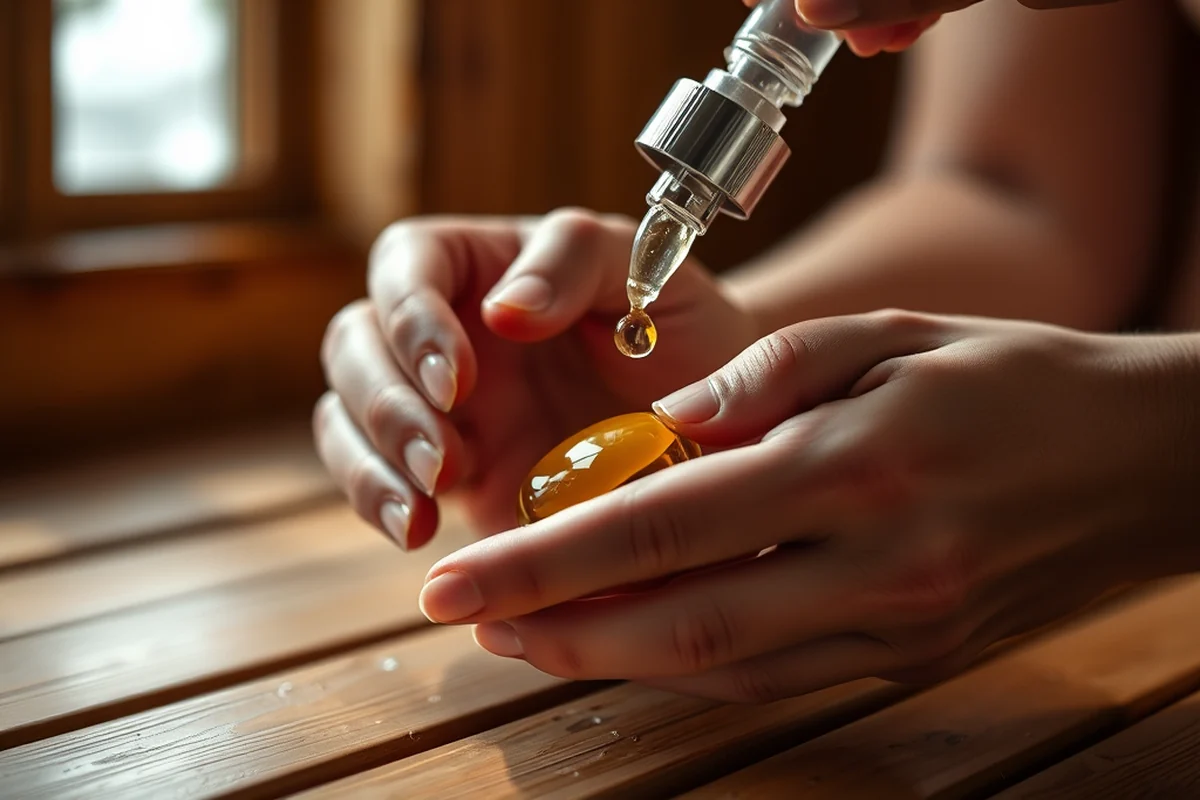
I once sat in a sauna for 15 minutes, then cooled down in the cold room for 5 minutes. The contrast was shocking, but it left me feeling refreshed and energized. The heat opens up pores, and the cold tightens the skin, creating a unique revitalizing effect.[1]
The experience is deeply sensory. You feel the heat on your skin, hear the water being poured over the stones, and notice the steam rising. It’s a moment of stillness that can be transformative.
The heat opens up pores, and the cold tightens the skin, creating a unique revitalizing effect.
Related: The best clothes steamer
The Role of Water in the Sauna Experience
The sauna heater is typically made of stones that are heated to a high temperature. When water is poured over them, steam is created, which increases the humidity in the room. This not only makes the heat more bearable but also enhances the detoxifying effects.
I watched an elderly woman in a Finnish village pour water over the stones with a wooden ladle. The steam rose instantly, filling the room with a warm, thick mist. It was beautiful, and it made me realize how integral water is to the experience.
The act of pouring water over the stones is a ritual in itself. It's a moment of connection with the sauna and with the people around you. It’s a tradition that has been passed down through generations.
If you're using a sauna at home, use a wooden ladle to pour water over the stones. It’s traditional and helps prevent the water from becoming too hot too quickly.
“The first time I stepped into a traditional Finnish sauna, I was struck by the intensity of the heat and the quiet reverence of the…”— Affordable Facial Steamers editors
Related: What s an infrared sauna blanket
The Benefits for the Skin and Body

The intense heat in the sauna opens up pores and draws out impurities from the skin. This deep cleansing effect is similar to a professional facial but without the chemicals or cost.
I used a sauna regularly for a month and noticed a significant improvement in my skin's texture and tone. My complexion looked more even, and my skin felt softer and more hydrated.
In addition to the skin benefits, the sauna improves circulation, promotes relaxation, and helps reduce stress. It’s a holistic experience that supports both physical and mental well-being.
Related: Best dry sauna for home
The Social Aspect of the Sauna
In Finland, the sauna is a place where people come together to relax, talk, and share. It’s a space of trust and intimacy, where conversations can flow more freely.
During my time in Finland, I saw families, friends, and even strangers gather in the sauna. It was a place where people could be vulnerable and honest with each other.
The sauna is a place of connection. Whether it’s with family, friends, or even coworkers, the experience of sharing a sauna can create lasting bonds.
Related: What is a sauna suit
The Mind-Body Connection
The heat from the sauna helps to reduce stress and anxiety, while the act of sitting in silence allows for deep reflection. It’s a way to disconnect from the outside world and focus on the present moment.
I’ve found that after a sauna session, I feel more centered and focused. It’s as if the heat has washed away the mental clutter and left me with a sense of peace.
The combination of heat, water, and silence creates a unique environment for mental renewal. It’s a space where you can let go of the day’s pressures and simply be present.
It’s a space where you can let go of the day’s pressures and simply be present.
Related: What is the best outdoor traditional sauna
How to Prepare for a Sauna Session
It’s best to wear minimal clothing—often just a towel or a swimsuit. This allows the heat to reach your skin directly and helps with the detoxifying effects.
I always bring a bottle of water with me to the sauna. Staying hydrated is essential, especially in the dry heat of the room. It helps prevent dehydration and keeps your body feeling balanced.
It’s also important to cool down properly after the sauna. This helps your body regulate its temperature and prevents dizziness. The contrast between the heat and the cold is a key part of the experience.
The Art of Sauna Etiquette and Personal Hygiene
In traditional Finnish saunas, cleanliness is a priority. Before entering, it's customary to shower thoroughly, as saunas are often shared spaces. This practice prevents the spread of bacteria and maintains a hygienic environment. Many saunas provide a small towel or robe, and some even offer soap and shampoo in the changing area. It's also important to avoid bringing in outside items like phones or personal belongings to preserve the sacred atmosphere of the sauna.
Another key aspect of sauna etiquette is moderation. Overheating can be dangerous, so it's recommended to limit sessions to 10–15 minutes at a time. Many Finns take a break in a cooler area or outdoors before returning for another round. This cycle of heat and cooling helps regulate body temperature and enhances the overall experience. It's also common to sit on a wooden bench rather than directly on the floor to avoid damaging the sauna's interior.[2]
Personal hygiene goes beyond just cleaning before entry. Some traditional saunas have a small bucket of water for participants to pour over the heater, creating a mist that cools the air and enhances the steam. This is done sparingly, with only a few splashes per person to avoid over-wetting the heater. It's also customary to avoid using lotions or perfumes inside the sauna, as they can leave residues on the benches and heater. These small but thoughtful practices ensure the sauna remains a place of purity and respect for generations.
The Therapeutic Use of Contrast Baths and Cold Plunges
Many traditional Finnish sauna experiences are followed by a cold plunge or contrast bath, which alternates between hot and cold water. This technique is used to stimulate blood flow, reduce inflammation, and improve skin texture. A typical contrast bath involves alternating between a hot sauna (around 90°C) and a cold plunge (around 15°C) for 3–5 minutes each, repeated for 10–15 minutes total. This practice is especially popular in spa settings and is often recommended for those with chronic pain or skin conditions.[3]
For a more accessible version of contrast therapy, some people use a cold shower after a sauna session. This method is less intense but still effective in reducing puffiness and tightening the skin. It's also a popular technique among skincare enthusiasts who want to enhance their skin’s radiance. The cold water constricts blood vessels, which can help reduce redness and create a more even skin tone. Some people even use a cold compress on their face immediately after a sauna for a quick, at-home version of the same effect.
Studies have shown that contrast therapy can improve skin elasticity and reduce the appearance of fine lines by up to 20% over time. This is due to the stimulation of collagen production and increased microcirculation. For best results, it's recommended to combine this practice with a hydrating skincare routine, such as using a serum or moisturizer right after the cold exposure. This helps lock in moisture and maximize the benefits of the sauna and contrast bath.[4]
🧼 Sensitive Skin Sauna
For those with sensitive skin, a gentler approach involves shorter sessions and a lower temperature, with more frequent cooling breaks.
💰 Budget Sauna
A budget-friendly option is to use a portable electric sauna at home, which can be purchased for under $28 and is easy to set up.
🧘 Minimalist Sauna
The minimalist approach focuses on the core elements—heat, water, and silence—with no additional accessories or products.
🎯 Targeted Sauna
For those seeking specific benefits, a targeted sauna session can focus on a particular area of the body, such as the face or back.
🛠 Maintenance Sauna
A maintenance sauna is used regularly to support skin health and overall wellness, with sessions up to 5 minutes per day.
| The mistake | Why it happens | The fix |
|---|---|---|
| Using too much water in the sauna | Pouring too much water over the stones can cause a sudden increase in humidity and temperature, which may be uncomfortable or even dangerous. | Use a small amount of water at a time, and wait for the steam to settle before adding more. |
| Not cooling down properly | Skipping the cool-down period can lead to dizziness, dehydration, or a rapid drop in blood pressure. | Always take the time to cool down, either by sitting in the cold room or taking a cold shower. |
| Ignoring the importance of hydration | Sweating heavily in the sauna can lead to dehydration, which affects your skin’s health and overall well-being. | Drink water before, during, and after your sauna session to stay hydrated. |
| Using products during the session | Applying lotions, creams, or oils during the sauna can block pores and reduce the effectiveness of the heat and steam. | Avoid using any products during the sauna session. Wait until you’ve cooled down before applying skincare. |
What Is A Traditional Finnish Sauna
Common Questions
How often should I use a sauna?
Can I use a sauna if I have sensitive skin?
What should I wear in a sauna?
What is the best way to cool down after a sauna?
References
- (PDF) The Etymology of Finnish sauna 'Sauna' - Academia.edu (academia.edu)
- The Scientific Benefits of Sauna Therapy with Joy Hussain, MD, PhD (awcim.arizona.edu)
- Steamed: Ten Things You Should Know About the Sauna (blog.berlin.bard.edu)
- A Cold Plunge into New Perspectives: Ritu Deswal (MBA '26) on ... (blogs.darden.virginia.edu)
Cite this guide
Affordable Facial Steamers (2026). What Is A Traditional Finnish Sauna. https://skindime.com/what-is-a-traditional-finnish-sauna/
Feel free to cite or share this guide.