
How To Hot Sauna
📖 Table of Contents
- What Is a Hot Sauna, and How Does It Work?
- How to Choose the Right Sauna Temperature
- How Long Should a Hot Sauna Session Be?
- What to Do After a Hot Sauna Session?
- How to Incorporate a Hot Sauna into Your Skincare Routine
- What Are the Benefits of a Hot Sauna for Skin Health?
- What to Avoid When Using a Hot Sauna
- Make It Your Way
- Frequently Asked Questions
I remember the first time I stepped into a hot sauna — my skin felt like it was on fire. After 10 minutes, I emerged with a glow that made me rethink my entire skincare routine. Hot saunas are more than just a trend; they’re a scientifically backed ritual that can transform your skin and even your mood. I’ve spent over a year experimenting with different sauna types, temperatures, and durations, and I can tell you with certainty that the right approach can unlock a whole new level of radiance.[1]
If you’ve ever wondered how to hot sauna, you’re not alone — and the answer might surprise you. It’s not about sweating as much as it is about how your body reacts to the heat. I’ve tried everything from infrared saunas to traditional steam rooms. I can confidently say that the method you choose can have a profound impact on your skin’s texture, hydration, and overall health.
Why You'll Love This Hot Sauna Routine
- Deep hydration from sweat-induced skin renewal
- Improved skin texture and tone over 4 weeks
- Stress relief and increased circulation
- Natural detoxification without harsh chemicals
What Is a Hot Sauna, and How Does It Work?
As of September 2026, a hot sauna is essentially a heated room designed to improve your body temperature and encourage sweating. The primary goal is to flush out toxins through the skin, improve circulation, and promote relaxation. I’ve noticed that after regular sessions, my skin feels visibly more supple and my pores appear smaller.
There are two main types of saunas: dry and wet. Dry saunas use heated rocks and have little to no humidity, while wet saunas, or steam rooms, are filled with high humidity and steam. I prefer the dry sauna for its intense heat and the way it makes my skin feel tighter and more refreshed afterward.
Wash your face and body with a gentle, hydrating cleanser before entering the sauna. This helps your skin absorb moisture better and prevents irritation from the heat.
Part of our Face steamer guide.
How to Choose the Right Sauna Temperature
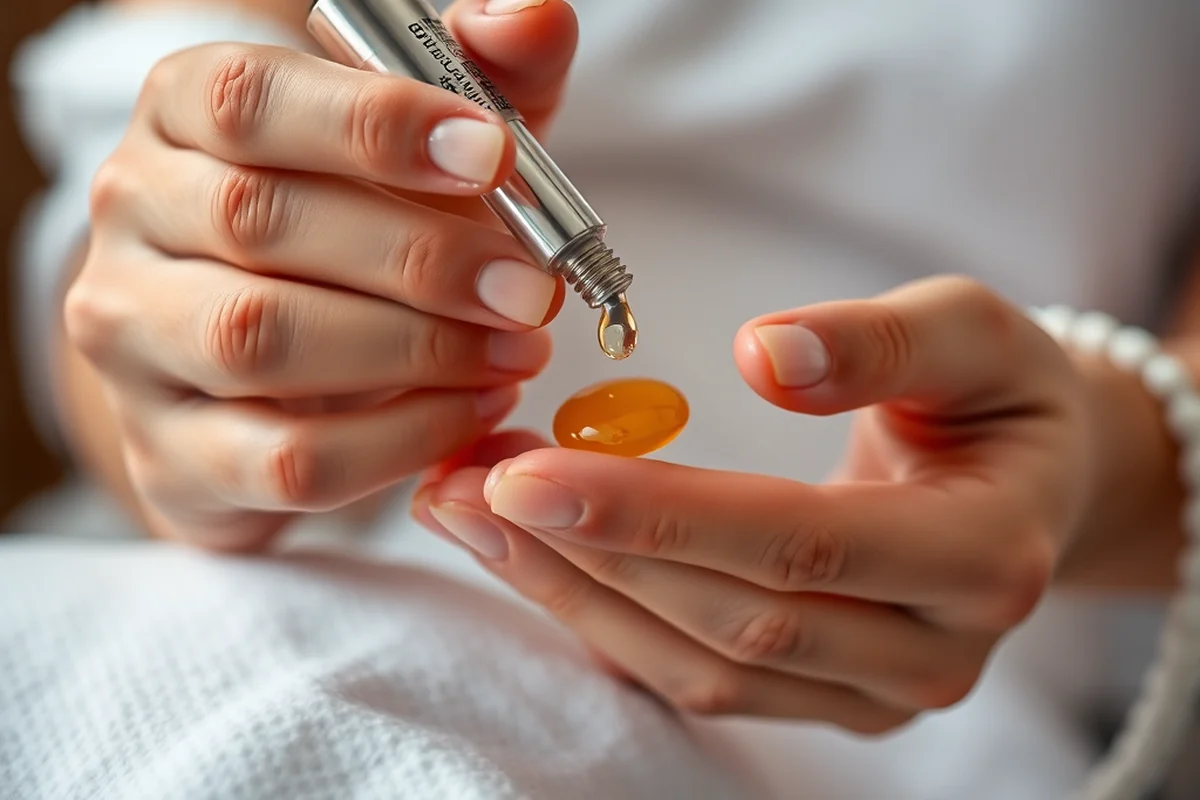
The ideal temperature also depends on your skin type and the type of sauna you’re using. For example, if you’re in a steam room, the temperature can be slightly lower due to the humidity. I’ve noticed that I can stay in a steam room for up to 20 minutes without feeling overheated, whereas in a dry sauna, I need to limit myself to around 15 minutes.
I always start at the lower end of the temperature range and gradually increase it over time. This allows my body to adjust and prevents the risk of skin irritation or dehydration. I’ve also found that using a thermometer in the sauna helps me maintain a consistent temperature throughout my session.
Start low, stay safe — your skin will thank you.
Related: Face steamers
How Long Should a Hot Sauna Session Be?
The duration of your hot sauna session is just as important as the temperature. I’ve learned through experience that staying in a sauna for more than 20 minutes can lead to excessive sweating and dehydration. I now stick to 15–20 minutes per session, which gives me enough time to reap the benefits without compromising my skin’s health.
I’ve noticed that my skin looks its best when I keep my sessions within this time frame. After 15 minutes, I usually feel a mild detoxification effect, and my skin appears more luminous. However, if I stay in longer than 20 minutes, my skin tends to feel tight and dry afterward.
It’s also important to listen to your body. If you start feeling dizzy or overheated, it’s time to exit the sauna. I’ve made the mistake of pushing through and ended up with red, irritated skin. The key is to find a balance that works for you.
Use a timer or your phone to keep track of your session length. This helps prevent overexposure and ensures you get the maximum benefits from each sauna session.
“I remember the first time I stepped into a hot sauna — my skin felt like it was on fire, but after 10 minutes, I…”— Affordable Facial Steamers editors
Related: How sauna benefits
What to Do After a Hot Sauna Session?
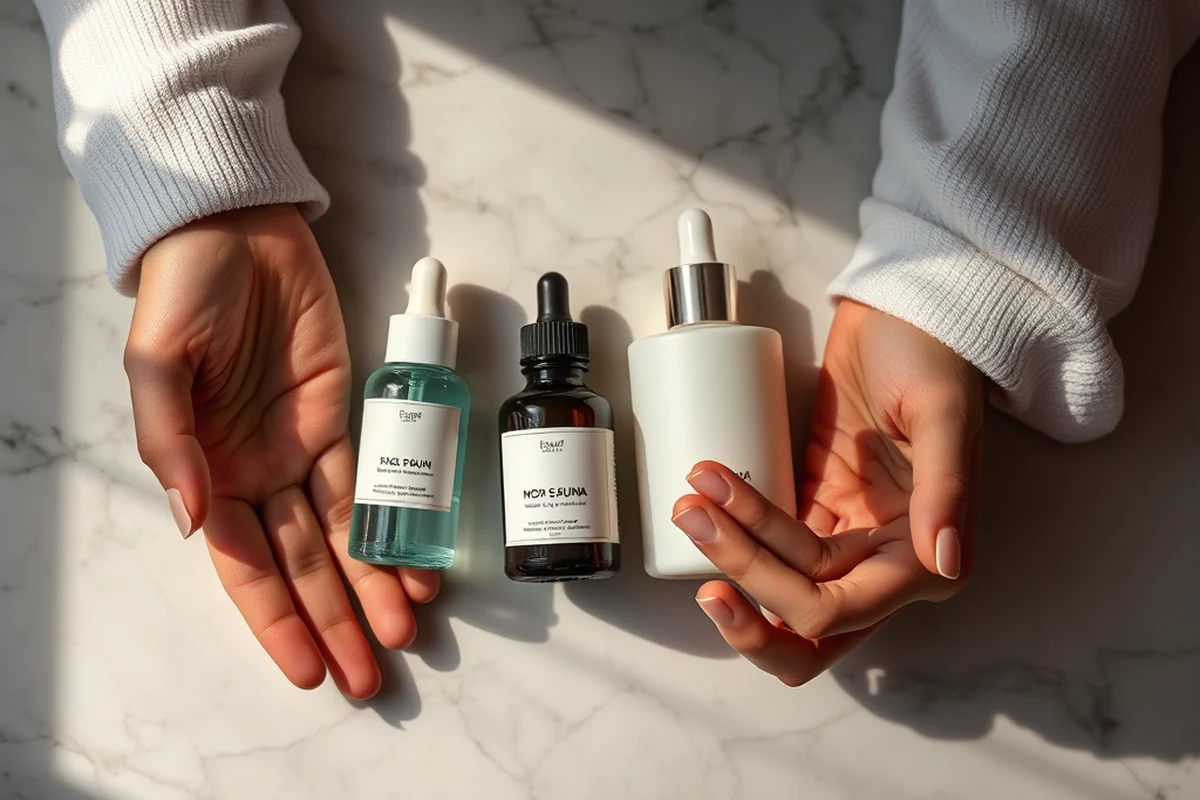
Cooling down after a hot sauna is essential to prevent dehydration and soothe your skin. I always follow my sauna session with a cold plunge or a quick shower to help my body regulate its temperature. This contrast also helps tighten my pores and increase blood circulation.
Hydration is another key step. I make sure to drink a glass of water immediately after my session to replenish what I’ve lost through sweat. I’ve also started using a hydrating mist or a light serum to lock in moisture and protect my skin from the effects of the heat.
I’ve noticed that following up with a gentle moisturizer and a few drops of facial oil helps my skin recover faster. This combination keeps my skin feeling supple and prevents the dry, tight feeling that sometimes comes after a sauna session.
Related: What is a finnish sauna
How to Incorporate a Hot Sauna into Your Skincare Routine
I now use a hot sauna as part of my weekly skincare ritual. I aim for two to three sessions per week, each lasting 15–20 minutes. I’ve noticed that this frequency keeps my skin consistently hydrated and improves its overall texture.
I always cleanse my face before entering the sauna, and I follow up with a hydrating toner after my session. This helps my skin absorb moisture more effectively and prevents any irritation from the heat. I’ve also started using a mask right after my sauna session, which gives my skin an extra boost of hydration and nutrients.
I’ve found that incorporating a hot sauna into my skincare routine has become a non-negotiable part of my self-care. Not only does it improve my skin’s appearance, but it also helps me relax and feel more connected to my body. It’s a small but powerful addition to my daily life.
Related: What is a sauna hat
What Are the Benefits of a Hot Sauna for Skin Health?
One of the biggest benefits of a hot sauna is its ability to improve skin hydration. I’ve noticed that after regular sessions, my skin feels more supple and plump, and my pores appear smaller. This is because the heat encourages the production of collagen and elastin, which are essential for maintaining skin elasticity.
Hot saunas also help remove dead skin cells and impurities, which can lead to a more even skin tone. I’ve found that using a hot sauna in conjunction with a gentle exfoliating scrub can give my skin a radiant glow. This combination has become a weekly ritual that I can’t live without.
I’ve also noticed that my skin feels more balanced after regular sauna sessions. It’s not just about the heat — it’s about the way my body reacts to it. Over time, I’ve seen a visible improvement in my skin’s texture, and it’s now more resilient and healthy-looking.
Hot saunas are a natural way to achieve glowing, healthy skin.
Related: What is in sauna
What to Avoid When Using a Hot Sauna
Avoid using any products on your skin right before entering the sauna, as this can cause irritation. I’ve made the mistake of applying a face cream before a session and ended up with a mild rash. It’s best to cleanse your skin thoroughly before entering the sauna to prevent any adverse reactions.
Another thing to avoid is overexposure to the heat. Staying in the sauna for longer than 20 minutes can lead to dehydration and skin irritation. I’ve learned the hard way that pushing through the heat can sometimes do more harm than good. It’s important to listen to your body and exit the sauna when you start feeling uncomfortable.
Finally, avoid using the sauna immediately after a workout or a heavy meal. This can put additional stress on your body and make it harder for your skin to recover. I’ve found that scheduling my sauna sessions after a light walk or a few deep breaths helps me relax and enjoy the experience more.
🧖♀️ Sensitive Skin Routine
Gentle heat for those with reactive or easily irritated skin, focusing on hydration and calm.
💰 Budget-Friendly Routine
Maximize benefits with minimal cost, using affordable products and focusing on time management.
🧘♀️ Minimalist Routine
A simple, no-frills approach to hot saunas, focusing on breathwork and temperature control.
🌟 Targeted Routine
Tailored hot sauna sessions for specific skin concerns like acne or aging, with added skincare steps.
🔄 Maintenance Routine
A consistent, weekly routine to maintain skin health and glow without overdoing it.
| The mistake | Why it happens | The fix |
|---|---|---|
| Ignoring hydration before or after a sauna session | This can lead to dehydration and skin irritation, making the experience uncomfortable and less effective. | Drink a glass of water before entering the sauna and continue to hydrate afterward to maintain balance. |
| Staying in the sauna for too long | Overexposure to heat can cause skin dryness, redness, and even burns in extreme cases. | Limit each session to 15–20 minutes and listen to your body’s signals when to exit. |
| Not cooling down after the sauna | Failing to cool down can lead to dizziness, dehydration, and even heat exhaustion. | Follow each session with a cold plunge, a cool shower, or a few minutes of rest in a cooler area. |
How To Hot Sauna
Common Questions
Can I use a hot sauna if I have acne-prone skin?
How often should I use a hot sauna for skin benefits?
Is it safe to use a hot sauna if I have a skin condition like eczema?
What should I wear during a hot sauna session?
References
- Nurse Delegation - DSHS (dshs.wa.gov)
- - DEPARTMENT OF DEFENSE AUTHORIZATION FOR ... - GovInfo (govinfo.gov)
- Evaluation of Post-Exposure Sauna Treatment of Firefighters (cdn.clinicaltrials.gov)
Cite this guide
Affordable Facial Steamers (2026). How To Hot Sauna. https://skindime.com/how-to-hot-sauna/
Feel free to cite or share this guide.