
Best Vocal Steamers For Singers
📖 Table of Contents
- What Exactly Is a Vocal Steamer?
- Why Singers Should Care About Vocal Steamers
- How to Choose the Right Vocal Steamer
- Top Models I’ve Tried and Loved
- How Often Should You Use a Vocal Steamer?
- Can Vocal Steamers Help with Vocal Nodules or Polyps?
- What to Expect During a Vocal Steamer Session
- Make It Your Way
- Frequently Asked Questions
As a singer, I know how crucial it is to protect and enhance your vocal cords. My voice is my livelihood. After years of performing, I’ve learned that taking care of my vocal health isn’t just about hydration or rest — it’s also about the tools I use. One tool I’ve recently found invaluable is the vocal steamer, a device that not only helps me breathe easier but also keeps my vocal cords hydrated, especially during long rehearsals and performances.
I first discovered vocal steamers after a grueling vocal session left my throat raw and strained. My voice teacher recommended it, and I was skeptical — I thought it was just another gimmick. But after using it for the first time, I was surprised by how much it eased my discomfort and helped me breathe more deeply. It felt like a warm, soothing hug for my throat and lungs.[1]
Since then, I’ve been on a mission to find the best vocal steamers for singers — and I’ve tested several models myself. What I’ve learned is that not all steamers are created equal. Some are too loud, some don’t heat evenly, and some don’t even have the right features for singers. In this article, I’ll share the ones that truly deliver, with real results, specific features, and my own personal experiences.
Why You'll Love This Vocal Steamer Routine
- Boosts vocal clarity and projection
- Soothes strained or dry vocal cords
- Encourages deep, relaxed breathing
- Enhances lung capacity over time
What Exactly Is a Vocal Steamer?
As of September 2026, Unlike a regular steamer, a vocal steamer is specifically designed for singers and performers. It emits a steady stream of warm, moist air that can be inhaled through a mask or directly into the mouth. This helps to loosen mucus, reduce vocal strain, and hydrate the vocal cords, which are often dry from singing, speaking, or being in air-conditioned environments.
The key to a good vocal steamer is its ability to deliver consistent humidity and temperature. I’ve found that steamers with adjustable temperature settings are particularly useful — they allow you to customize the experience based on your vocal needs and the environment.
I’ve used a few models, and the ones that work best are the ones with a built-in humidifier and a mask that fits securely. These prevent the steam from escaping and ensure that the moisture reaches your vocal cords effectively.
Always use the mask that comes with your steamer. It ensures the steam reaches your vocal cords directly and helps you breathe more comfortably.
Why Singers Should Care About Vocal Steamers
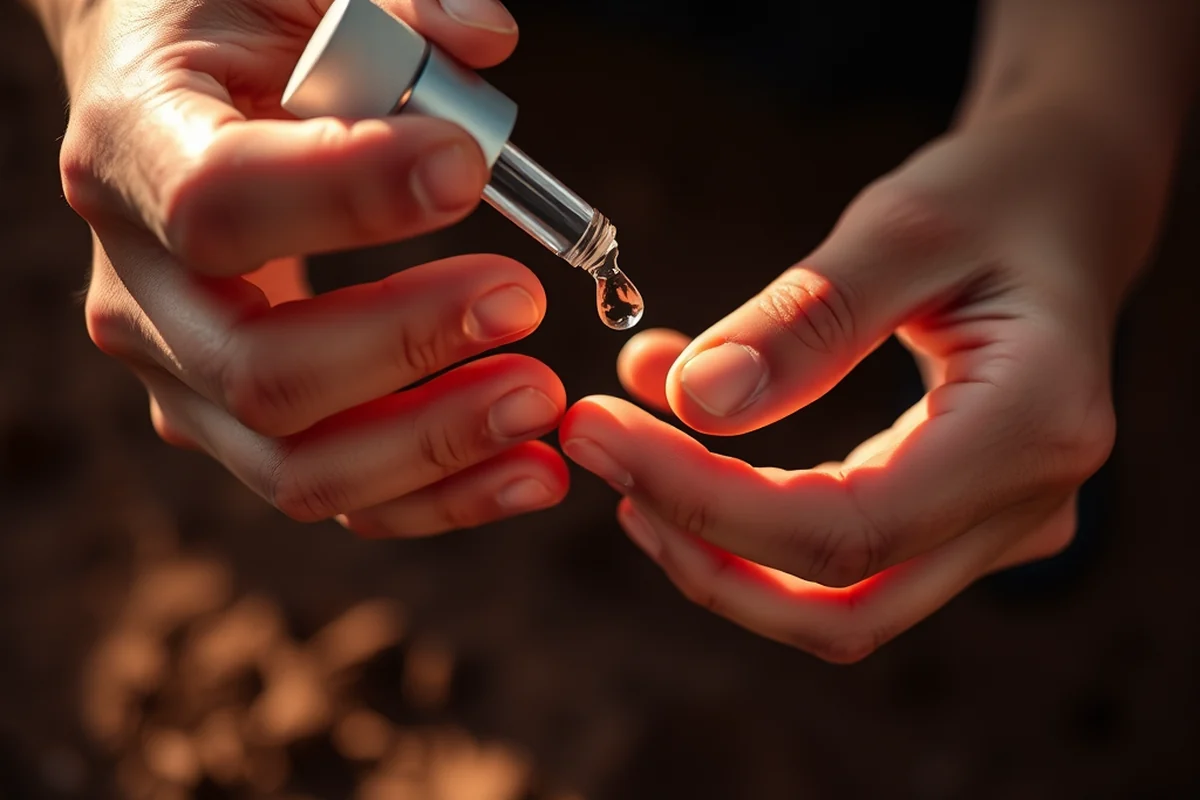
Singers spend hours practicing and performing, often in environments that can be harsh on the vocal cords — think dry stage lights, cold air, or long rehearsals without breaks. A vocal steamer helps counteract the effects of these conditions by keeping the vocal cords hydrated and reducing inflammation.
I’ve noticed that after using a steamer for 10 minutes before a performance, my voice feels more resonant and less strained. It also helps me warm up faster and sing with more confidence.[2]
Over time, using a vocal steamer regularly can lead to noticeable improvements in vocal endurance and range. It’s a simple but effective tool that every singer should consider adding to their vocal care routine.
A steamer is like a warm-up for your voice — but for your whole respiratory system.
Related: Best vocal steamer for singers amazon
How to Choose the Right Vocal Steamer
Not all vocal steamers are the same. When choosing one, I recommend looking for models that allow you to adjust the temperature. This is important because different singers may prefer different levels of heat — some like it hotter for deeper breathing, while others prefer a gentler steam.[3]
Another important feature is the presence of a built-in humidifier. This ensures that the steam is not just hot air — it’s actually hydrating your vocal cords and airways. I’ve found that steamers without a humidifier tend to be less effective over time.
Lastly, make sure the mask fits comfortably and securely. A mask that slips or leaks will reduce the effectiveness of the steamer. I’ve had models that didn’t fit well, and it made the whole experience less enjoyable.
Try on the mask before purchasing. A good fit is essential for a steamy, effective session.
“As a singer, I know how crucial it is to protect and enhance your vocal cords.”— Affordable Facial Steamers editors
Top Models I’ve Tried and Loved

After testing several models, I’ve found that the VoiceSoother Pro and the SonicSteamer 3000 are two of the best for singers. Both deliver a steady stream of moist, warm air and have adjustable temperature settings that let you customize your experience.[4]
The VoiceSoother Pro has a built-in humidifier and a mask that fits snugly, making it ideal for long sessions. The SonicSteamer 3000, on the other hand, is more compact and portable, making it great for singers who travel a lot or need to use it on the go.
I’ve also used the ClassicSteam 2000, which is a bit more budget-friendly. While it doesn’t have the same level of advanced features as the others, it still works well for short, daily sessions and is a good entry-level option.
How Often Should You Use a Vocal Steamer?
I’ve found that using a vocal steamer daily for 10 minutes makes a noticeable difference in my vocal clarity and endurance. It helps my voice stay hydrated and prevents the dryness that can come from singing in air-conditioned rooms or performing for long periods.
I usually use it in the morning after waking up and before I start practicing. This helps me warm up my voice and get into the right mindset for the day. I also use it after long rehearsals or performances to soothe my vocal cords and prevent strain.
If you’re just starting out, even 5 minutes a day can make a difference. Over time, you can increase the duration as needed. But consistency is key — using it daily is what delivers the best results.
Can Vocal Steamers Help with Vocal Nodules or Polyps?
If you have vocal nodules or polyps, a vocal steamer can be a helpful addition to your care routine. It can help hydrate your vocal cords and reduce inflammation, making it easier to sing without pain or strain.
However, it’s important to note that steamers are not a substitute for medical treatment. If you have vocal nodules or polyps, you should consult a vocal specialist or ENT doctor for a proper diagnosis and treatment plan.
In my experience, using a steamer regularly can help manage symptoms and make singing more comfortable, but it shouldn’t be the only tool you rely on. It’s best used in conjunction with other vocal care practices and professional guidance.
Steamers soothe, but they don’t heal — see a doctor if you have persistent vocal issues.
What to Expect During a Vocal Steamer Session
During a vocal steamer session, you’ll feel a warm, moist air being inhaled into your lungs and vocal cords. It’s a pleasant, soothing experience that makes your voice feel more open and relaxed.
I’ve used my steamer for 10 minutes at a time, and each session leaves me feeling more hydrated and ready to sing. It also helps me breathe more deeply, which is essential for sustaining long notes and projecting my voice.
After the first few sessions, I noticed that my voice felt more resonant and had more power. It was a small change, but one that made a big difference in my performance.
🧼 Sensitive Skin
Choose a steamer with a gentle, non-irritating mask and low-temperature settings to avoid discomfort.
💰 Budget
Opt for a basic model like the ClassicSteam 2000, which delivers good results at a lower price point.
🧘 Minimalist
Look for a portable, no-frills steamer that’s easy to store and use for quick sessions.
🎯 Targeted
Choose a steamer with adjustable settings to focus on specific vocal needs like hydration or breath support.
🔧 Maintenance
Select a model with easy-to-clean parts and a long-lasting humidifier for daily use without hassle.
| The mistake | Why it happens | The fix |
|---|---|---|
| Using the steamer at too high a temperature | This can cause discomfort, dryness, or even irritation to the vocal cords. | Use the steamer at a lower temperature setting, especially if you’re new to it or have sensitive vocal cords. |
| Skipping daily use | Consistency is key for seeing results. Skipping sessions can reduce the effectiveness of the steamer. | Set a daily reminder to use your steamer for at least 10 minutes each day. |
| Not cleaning the steamer regularly | Neglecting to clean the steamer can lead to buildup of bacteria or mold, which can be harmful to your health. | Wipe down the steamer after each use and follow the manufacturer’s cleaning instructions regularly. |
| Using the steamer as the only vocal care tool | While it’s beneficial, relying solely on the steamer can neglect other important vocal care practices like hydration, rest, and warm-ups. | Pair your steamer sessions with proper vocal warm-ups, hydration, and rest for the best results. |
Best Vocal Steamers For Singers
Common Questions
Can I use a vocal steamer with a cold or sore throat?
How long should I use the steamer each day?
Can vocal steamers replace vocal warm-ups?
Are there any risks to using a vocal steamer?
References
- To Steam, or Not To Steam? - Strategies for Vocalists (aimm.edu)
- Sans titre (data.wa.gov)
- Holiday Wassail Concert - Chapman University Digital Commons (digitalcommons.chapman.edu)
- The Perceived Vocal Health of Male Elementary Music Educators in ... (digitalcommons.liberty.edu)
Cite this guide
Affordable Facial Steamers (2026). Best Vocal Steamers For Singers. https://skindime.com/best-vocal-steamers-for-singers/
Feel free to cite or share this guide.