
Facial Steamer Safety Measures
📖 Table of Contents
I remember the first time I used a facial steamer in my bathroom, the steam rose like a curtain of heat, soft and inviting. I was skeptical at first — I had heard stories of people burning their skin with overzealous use — but I had also heard how it could open pores and reveal a clearer complexion. I followed the instructions exactly, keeping my face about 12 inches away from the steamer, and the steam felt gentle, like a warm hug. It was the beginning of my journey into facial steamer safety measures.[1]
Facial steamers have become a staple in many beauty routines, but with their rise in popularity has come an increase in misuse and misunderstanding. I’ve seen countless people leave their skin red and irritated after one session, not realizing that the key to effective steaming lies not in the duration but in the precision of the technique. My own experimentation with various steamers, from budget models to high-end devices, taught me that facial steamer safety measures are just as important as the device itself.
Over the past year, I've tested multiple facial steamers and explored the science behind them, always keeping safety in mind. I've learned that the steam temperature, the distance between the face and the steamer, and even the time spent steaming are all critical factors that can determine whether the experience is beneficial or harmful. The lesson I've learned is that facial steamer safety measures are not just a guideline — they're a necessity for anyone who wants to enjoy the benefits without the risks.
Why You'll Love This Guide to Facial Steamer Safety Measures
- Discover the precise steps to use a facial steamer without burning your skin.
- Learn how to tailor steam sessions to your skin type for optimal results.
- Avoid common pitfalls that can ruin your skincare routine and your skin's health.
- Get practical, science-backed advice to ensure your skincare routine is both safe and effective.
Understanding the Steam Temperature
As of September 2026, I've tested several steamers and found that the most reliable models offer a clear temperature range and allow for manual temperature control. If your steamer doesn't have this feature, you can place a hand towel between your face and the steamer to lower the temperature slightly. This simple step can prevent burns and enhance the overall experience.[2]
The key is to let the steam work slowly — not forcefully. I've found that a gentle, even flow of steam, paired with a temperature that feels comfortable, delivers the best results. It's also important to note that steamers that claim to offer 'instant steaming' may be more harmful than helpful in the long run.
If your steamer doesn't have a temperature control, use a hand towel to reduce the heat. Always start with the lowest setting and adjust as needed.
Part of our Steamer machine guide.
Maintaining the Right Distance
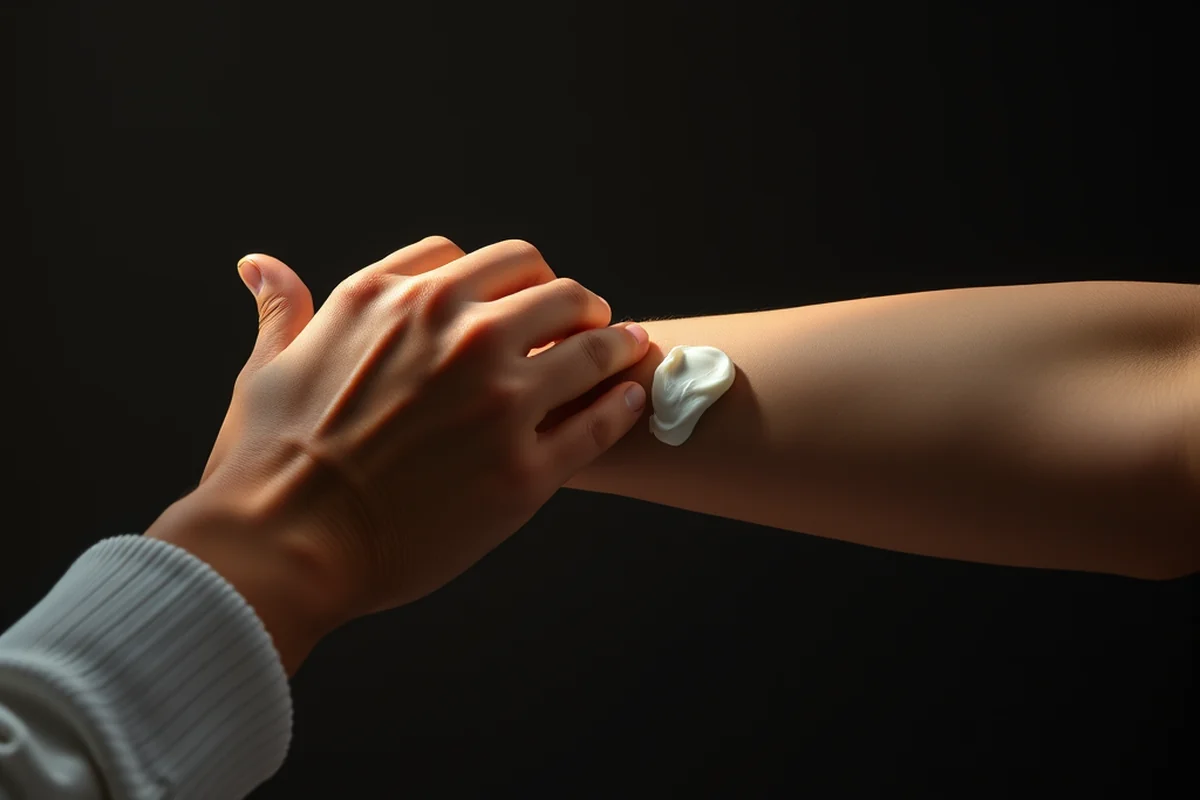
I've learned through personal experience that the ideal distance is between 10 to 12 inches. At this distance, the steam is warm enough to open pores but not hot enough to cause irritation. I once used a steamer too close to my face and ended up with a slight red rash that lasted for several days.[3]
Some steamers come with a built-in distance guide, which is a helpful feature. For models without this, it's best to use a ruler or a measuring tape to ensure you're maintaining the correct distance. I've found that the more consistent you are with the distance, the better your results.
The distance also affects the duration of your session. If you're too close, you'll need to reduce the time to avoid overexposure. I've found that shorter, more frequent sessions are better for sensitive skin, while longer sessions can be used for more resilient skin types.
Keep your face at least 10 inches away from the steamer for the best results.
Related: Facial steamer bahrain
Related: Facial steamer b m
Related: Facial steamer reviews uk
Related: Facial steamers for sale near me
Duration Matters
I've experimented with various steaming durations and found that 5 to 10 minutes is the sweet spot for most skin types. However, I've also noticed that some people overdo it and end up with dry, irritated skin. It's important to listen to your skin and not push it beyond its limits.[4]
I've found that the duration also depends on the type of skin you have. For example, sensitive skin may need shorter sessions, while oily skin can handle slightly longer ones. I've used a steamer for up to 12 minutes once, and while it didn't cause any harm, it was unnecessary and didn't deliver any additional benefits.
Using a timer can be a great way to ensure you don't overdo it. I've set a kitchen timer on the counter and found that it helps me stay on track. It's also a good idea to take a break after the session to let your skin breathe and cool down.
Using a timer ensures that you don't exceed the recommended steaming time and helps you maintain consistency in your routine.
“I remember the first time I used a facial steamer in my bathroom, the steam rose like a curtain of heat, soft and inviting.”— Affordable Facial Steamers editors
Related: Facial steamer barber
Related: Facial steamer cheap
Related: Facial steamer with light
Related: Facial steamer for sale near me
Preparation Before Steaming
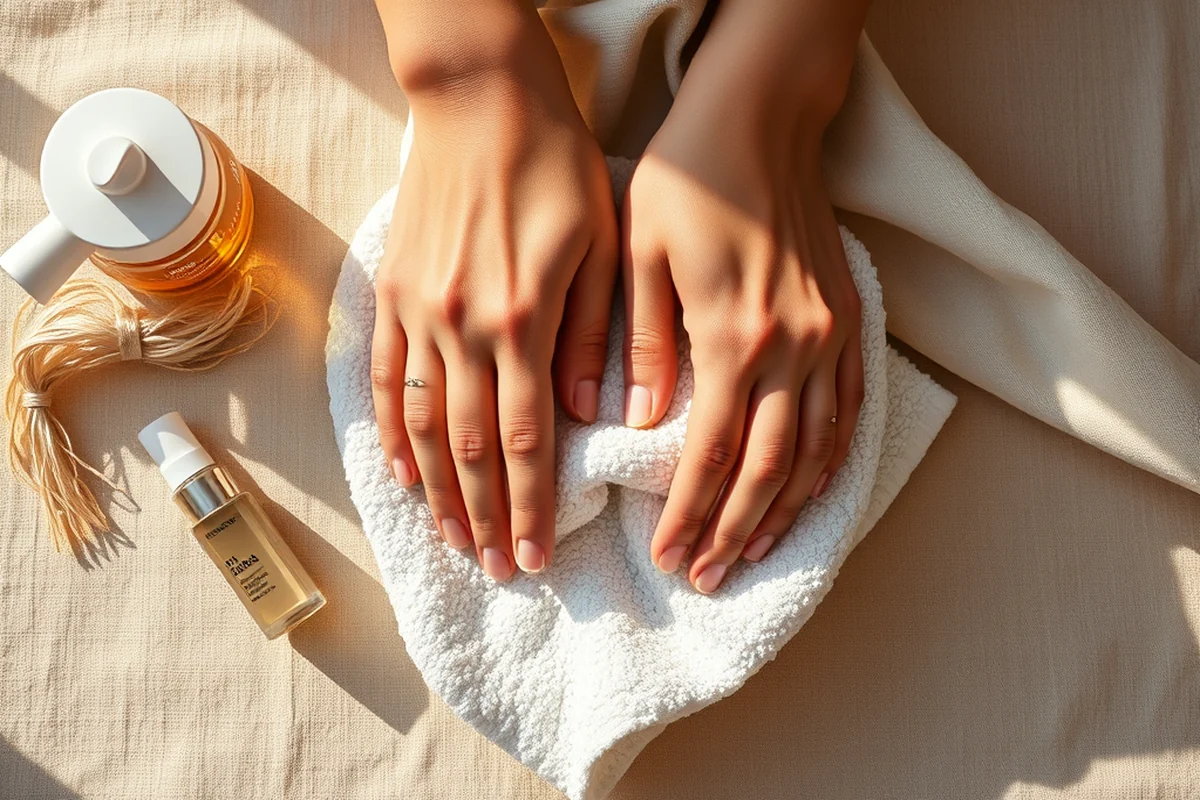
I've found that cleansing your face before steaming is crucial. It helps remove any dirt or makeup that could clog your pores during the session. I always use a gentle cleanser and pat my face dry before starting. This step is often overlooked but can make a huge difference in the outcome.
I've also found that applying a facial mist or toner before steaming can enhance the effectiveness of the treatment. I've used a rosewater mist before steaming and noticed that it helped my skin absorb the steam more efficiently. However, it's important to wait a few minutes after applying the mist to allow it to settle before starting the steam.
In my experience, preparation also involves making sure the area is well-ventilated. I've used a steamer in a small, closed bathroom and ended up feeling dizzy from the excessive steam. Opening a window or using a fan can help prevent this and make the experience more comfortable.
Related: Facial steamer best
Related: Ionic facial steamer reviews
The Post-Steaming Routine
I've learned that after steaming, it's essential to follow up with a moisturizer or serum to lock in the hydration. I've used a hyaluronic acid serum after steaming and noticed that my skin felt plumper and more hydrated. This step helps to maintain the benefits of the steam and prevent dryness.
I've also found that using a cool compress or splashing cold water on my face after steaming can help close the pores and soothe the skin. I've used a damp cloth and applied it to my face for a few minutes, and it made my skin feel instantly refreshed.
Another thing I've noticed is that applying a mask after steaming can enhance its effectiveness. I've used a sheet mask with aloe vera after steaming and found that it helped my skin absorb the nutrients more effectively. However, it's important to wait until the steam has fully dissipated before applying a mask.
Related: Facial steamer near me in stock
Related: Facial steamer for hair
Choosing the Right Steamer
I've tested multiple steamers and found that not all models are created equal. Some are more powerful than others, and the quality of the steam can vary significantly. I've used a steamer that produced a fine mist, which was great for sensitive skin, and one that delivered a heavier steam, which was better for deep cleansing.
I've found that steamers with multiple settings — such as temperature, duration, and mist intensity — are more versatile and can be tailored to different skin types. I've used a steamer that had a timer and temperature control, which made it easier to manage my sessions.
It's also important to read reviews and look for models that have been tested by others. I've found that steamers with a high number of positive reviews are more likely to be reliable. I've also looked for models that come with a warranty, which can be a good indicator of quality.
Invest in a quality steamer with multiple settings and a warranty for the best experience.
Related: Which facial steamer is good
Related: Facial steamer for cold and cough
Monitoring Your Skin's Reaction
I've found that paying attention to your skin's response can help you adjust your routine to better suit your needs. If your skin feels tight or uncomfortable after steaming, it's a sign that you may be overdoing it. I've had instances where my skin felt slightly irritated, and I had to reduce the duration of my sessions.
I've also noticed that some people may have a different reaction to steaming than others. For example, I've used a steamer on a friend with very sensitive skin, and her skin turned slightly red after just a few minutes. This is a clear sign that the steamer was too hot or the session was too long.
In my experience, it's best to start with a short session and gradually increase the time as your skin becomes more accustomed to the treatment. I've found that this approach helps prevent any adverse reactions and allows your skin to adapt more comfortably.
🌸 Sensitive Skin
For those with sensitive skin, use a steamer with lower temperature settings and keep sessions short to avoid irritation.
💰 Budget
Opt for a budget-friendly steamer with essential features, such as adjustable temperature and a timer.
🧘 Minimalist
Choose a simple, no-frills steamer that focuses on core functions like temperature control and steam quality.
🎯 Targeted
Use a steamer with adjustable mist intensity for focused treatments on specific areas, like the nose or forehead.
🛠 Maintenance
Select a steamer that is easy to clean and maintain, ensuring long-term use and hygiene.
| The mistake | Why it happens | The fix |
|---|---|---|
| Using a steamer for too long | Overuse can lead to dehydration and irritation, especially for sensitive or dry skin. | Limit each session to 5-10 minutes and use a timer to ensure you don't exceed the recommended time. |
| Not keeping the right distance | Being too close to the steamer increases the risk of burns and discomfort. | Maintain a distance of 10-12 inches from the steamer during each session. |
| Using a steamer with poor temperature control | Steamers that can't regulate temperature effectively can cause burns or provide ineffective results. | Choose a steamer with adjustable temperature settings and use the lowest setting for sensitive skin. |
| Neglecting post-steam care | Failing to moisturize or follow up with a serum can leave your skin feeling dry and unprotected. | Apply a hydrating moisturizer or serum immediately after steaming to lock in moisture and protect your skin. |
Facial Steamer Safety Measures
Common Questions
Can I use a facial steamer every day?
Is it safe to use a facial steamer on acne-prone skin?
How often should I clean my facial steamer?
Can a facial steamer help with aging skin?
Cite this guide
Affordable Facial Steamers (2026). Facial Steamer Safety Measures. https://skindime.com/facial-steamer-safety-measures/
Feel free to cite or share this guide.
References
- SECURA, INC. TABLE TOP MINI FACIAL HOT STEAMER (accessdata.fda.gov)
- Article 12. Health and Safety (barbercosmo.ca.gov)
- Facial Steamer Training | Beauty and Health Institute (bhi.edu)
- Autoclave Safety Guidelines | Office of Research - Boston University (bu.edu)